By Interestana AI Editorial — AI-drafted, human-overseen. How we report
New York Considers Over 20 E-Bike Laws
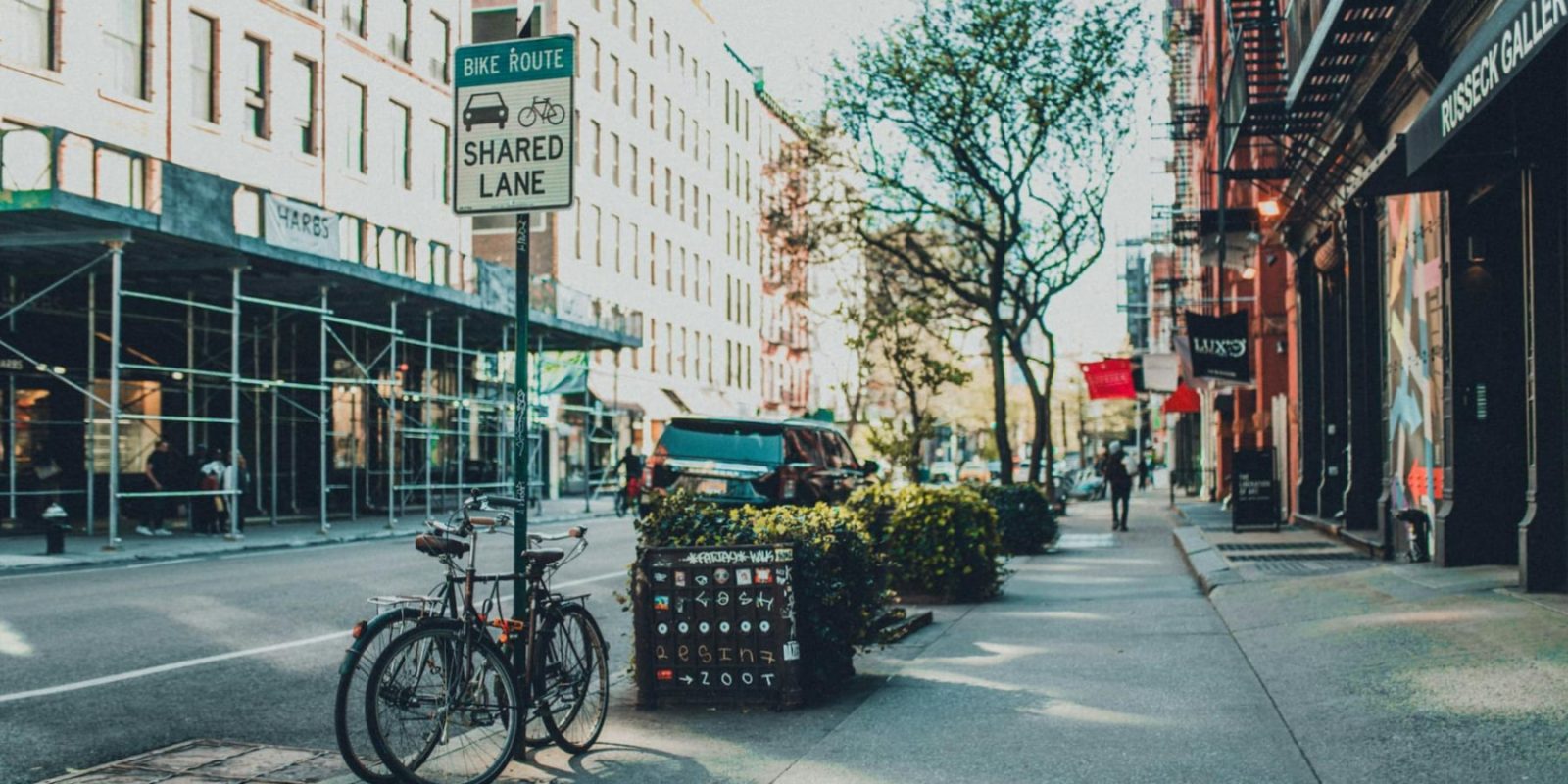
New York City lawmakers are poised to consider a comprehensive package of over 20 legislative proposals this week, focusing on regulating micromobility devices and associated services. The proposed bills aim to address a wide range of issues related to e-bikes, electric scooters, mopeds, and the operations of delivery applications. A significant component of this legislative push includes a potential ban on Class 3 electric bicycles, which are characterized by their pedal-assist functionality and a top speed of 28 miles per hour. This measure, if enacted, would significantly alter the landscape for cyclists and delivery workers who rely on these faster e-bikes for their livelihoods and transportation. The legislation also extends to stricter enforcement measures and potentially new regulations for the delivery platforms that coordinate services using these devices. The proposed laws come in response to growing concerns over safety, sidewalk congestion, and the integration of micromobility into the city's existing transportation infrastructure. The sheer volume of proposed bills indicates a broad effort to establish a more defined regulatory framework for these increasingly popular modes of transport. Specifics on enforcement mechanisms, potential penalties for violations, and the exact scope of the delivery app regulations are expected to be detailed as the bills move through the legislative process. The city has seen a substantial increase in the adoption of e-bikes and electric scooters in recent years, driven by factors such as convenience, cost-effectiveness, and environmental considerations. However, this surge has also brought challenges, including increased traffic incidents, improper parking, and debates over the classification and operation of different types of electric-powered vehicles. The legislative session will likely involve extensive debate among council members, industry stakeholders, and advocacy groups representing cyclists and delivery workers. The outcome of these deliberations will shape the future of micromobility in one of the world's most densely populated urban environments. The proposed legislation reflects a proactive approach by New York City to manage the evolving urban mobility ecosystem, seeking to balance innovation and accessibility with public safety and order. The consideration of over 20 bills signifies a multi-faceted strategy to tackle the complexities introduced by electric-powered personal transportation and delivery services.
Original source — read the full reporting at the publisher:
Read on ElectrekGet the weekly AI digest
AI news + new model releases, weekly. Drafted by our agents, reviewed by humans.