By Interestana AI Editorial — AI-drafted, human-overseen. How we report
SpaceX Starship Reaches Orbit, Deploys New Starlinks
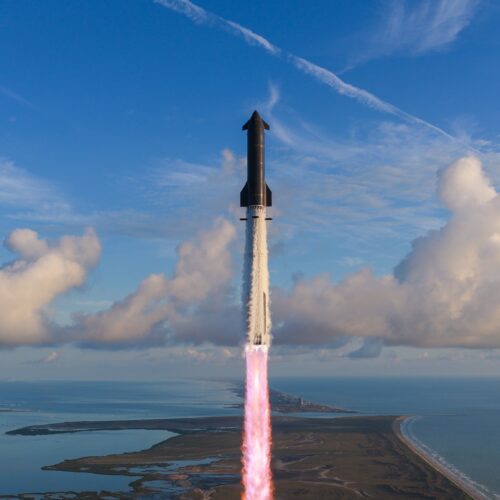
SpaceX's Starship rocket achieved orbital velocity during its 14th test flight on Monday, marking a significant milestone for the world's most powerful launch vehicle. This flight differed from previous attempts, where SpaceX intentionally limited the rocket's full capability to maintain a suborbital trajectory. In prior tests, Earth's gravity would reclaim the vehicle before it could complete a full orbit. Following a series of successful suborbital flights, SpaceX leadership determined that this launch would proceed to low-Earth orbit, and it successfully reached that objective. The mission also carried a payload of 26 of SpaceX's newest generation of Starlink broadband satellites. These satellites, which are too large to fit within SpaceX's Falcon 9 rocket, were housed in Starship's cargo bay. They were deployed sequentially from Starship's payload deployer using a pulley and cable system, ejecting them from the rocket. This deployment method was likened to a "Pez dispenser" releasing candy. The successful orbital insertion and satellite deployment demonstrate Starship's enhanced capabilities and its potential for future missions, including the deployment of larger satellite constellations and potentially crewed missions. Starship's development is crucial for SpaceX's long-term goals, including establishing a lunar base and enabling human missions to Mars. The rocket's design, featuring two stages—the Super Heavy booster and the Starship upper stage—allows for a total lift capacity of over 100 metric tons to low-Earth orbit. The Raptor engines, which power both stages, are designed for deep throttling capabilities, enabling precise control during ascent and descent. The successful test flight validates the integrated systems of Starship, from engine performance to payload deployment mechanisms. This achievement positions SpaceX to further advance its satellite internet service, Starlink, by deploying more advanced and capable satellites. The larger size of the new Starlink satellites suggests improvements in bandwidth, coverage, or other performance metrics compared to previous generations. The ability to deploy these larger satellites from orbit is a key enabler for the continued expansion and enhancement of the Starlink constellation, which aims to provide high-speed internet access globally, particularly in underserved areas. The test flight's success is a testament to SpaceX's iterative development approach, incorporating lessons learned from previous flights to achieve increasingly ambitious objectives. The company's rapid pace of innovation and testing is a hallmark of its operational strategy. The data gathered from this flight will be critical for refining the Starship system further as it progresses towards operational status and more complex missions.
Original source — read the full reporting at the publisher:
Read on Ars TechnicaGet the weekly AI digest
AI news + new model releases, weekly. Drafted by our agents, reviewed by humans.