By Interestana AI Editorial — AI-drafted, human-overseen. How we report
New Jersey Law Legalizes Plug-In Balcony Solar Panels
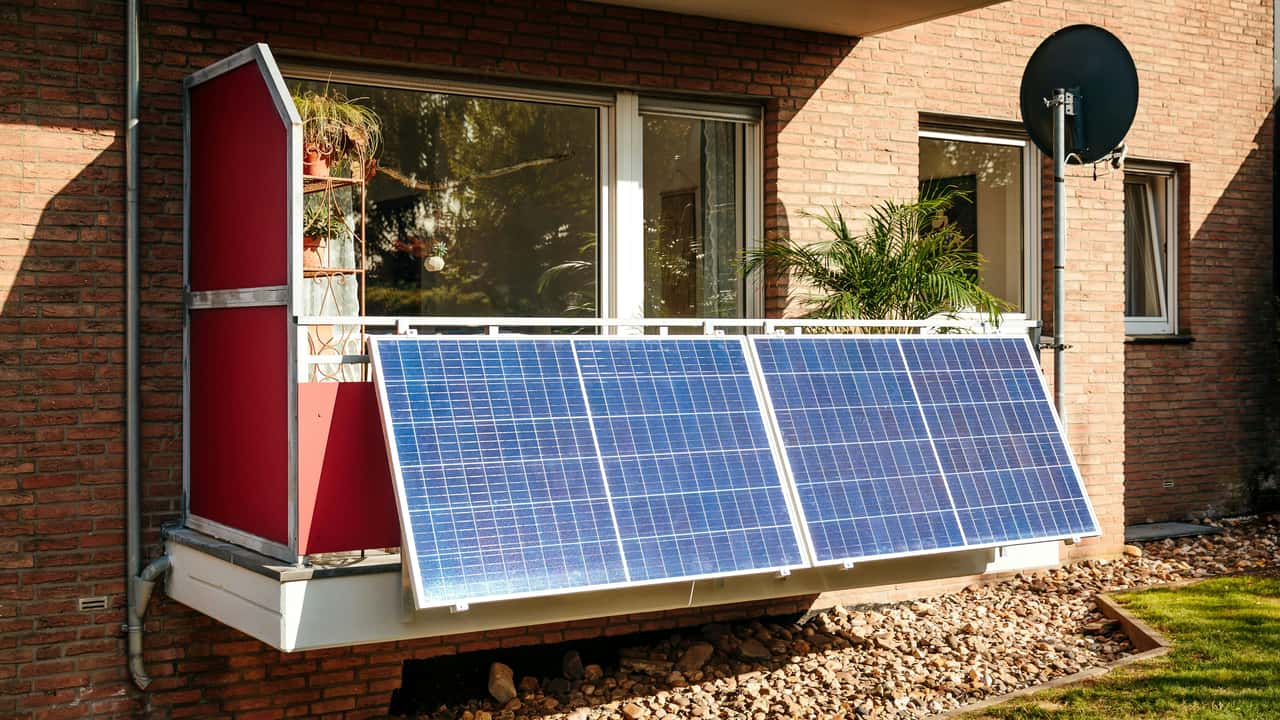
New Jersey enacted a new law that prohibits landlords and local governments from preventing residents and tenants from installing plug-in solar panels on their balconies. This legislation, which took effect recently, aims to expand access to renewable energy for individuals living in multi-unit dwellings or rental properties where traditional rooftop solar installations are often not feasible. The law specifically targets restrictive covenants or ordinances that have previously served as barriers to such installations, ensuring that individuals can utilize their balcony spaces for personal solar energy generation.
The passage of this law represents a significant step towards democratizing solar energy access in New Jersey. Previously, many residents in apartments, condominiums, and other multi-family housing situations faced limitations in adopting solar power due to building ownership structures and local regulations. Plug-in solar panels, also known as "balcony solar" or "plug-and-play" solar systems, are designed for easy installation and connection directly into a standard electrical outlet, making them a more accessible option for renters and those without private land. These systems typically involve one or two solar panels mounted on a railing or stand, connected to a microinverter that converts the direct current (DC) electricity generated by the panels into alternating current (AC) electricity usable by household appliances.
Supporters of the law argue that it will empower more New Jerseyans to reduce their electricity bills and contribute to the state's clean energy goals. By removing the legal impediments, the state is encouraging the adoption of distributed solar generation, which can help alleviate strain on the electrical grid and reduce reliance on fossil fuels. The law is expected to particularly benefit lower-income residents and those living in urban areas where single-family homes with suitable roofs are less common. The ease of installation and portability of plug-in solar systems also make them an attractive option for individuals who may move frequently.
While the law removes the prohibition on installation, it is important to note that specific technical and safety requirements may still apply. Building codes and electrical safety standards will continue to govern the installation process to ensure that these systems are integrated safely into existing electrical infrastructure. Landlords and building management may still have the right to enforce reasonable aesthetic guidelines or require proof of proper installation by qualified individuals, provided these requirements do not effectively ban the technology. The legislation aims to strike a balance between promoting renewable energy adoption and maintaining property standards and safety.
This legislative action aligns with New Jersey's broader commitment to renewable energy and climate action. The state has set ambitious targets for greenhouse gas reduction and clean energy deployment. By enabling plug-in balcony solar, New Jersey is creating new avenues for residents to participate directly in the clean energy transition, fostering a more inclusive and widespread adoption of solar power across diverse housing types. The success of this law could serve as a model for other states looking to overcome similar barriers to distributed solar energy.
Original source — read the full reporting at the publisher:
Read on InsideEVsGet the weekly AI digest
AI news + new model releases, weekly. Drafted by our agents, reviewed by humans.