By Interestana AI Editorial — AI-drafted, human-overseen. How we report
Trump Administration to Roll Back Fuel Economy Standards
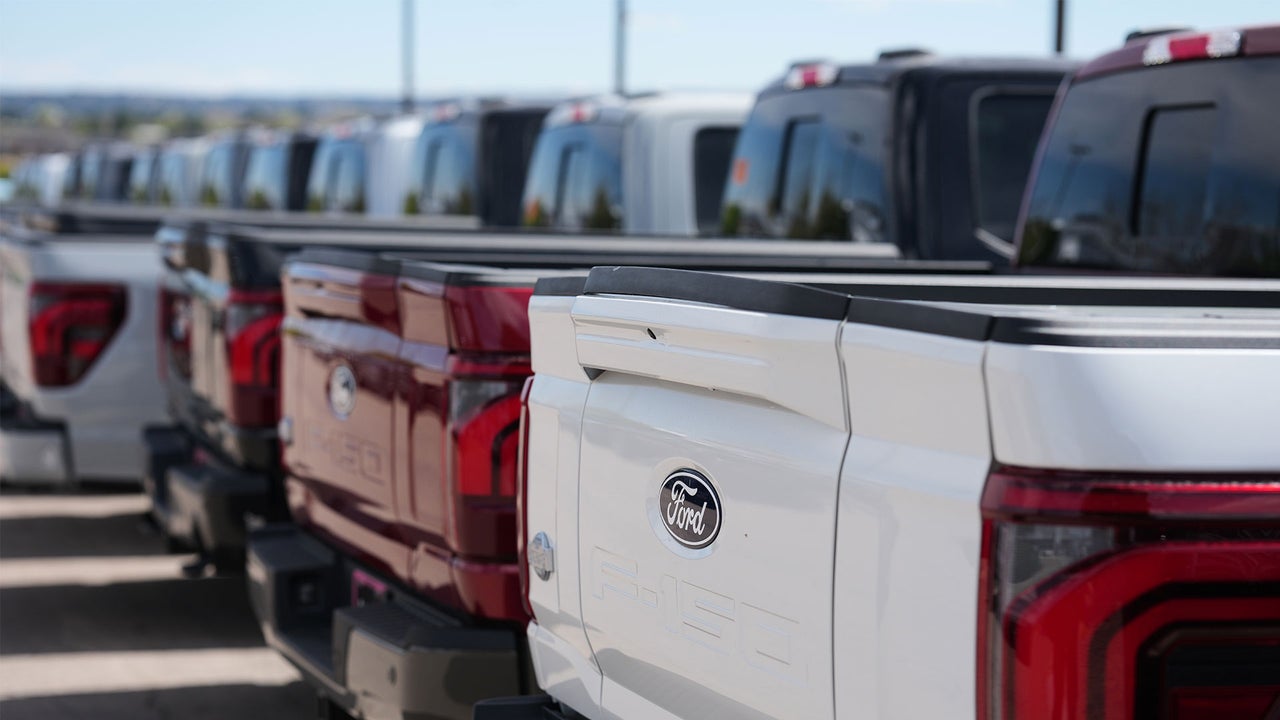
The Trump administration is preparing to issue new fuel economy standards for cars and light trucks, which will relax regulatory requirements for automakers concerning pollution from gasoline-powered vehicles. President Donald Trump announced on his Truth Social media account on Saturday that these less stringent mileage requirements are intended to "take the waste out of building cars in America," potentially saving families "thousands on a new, beautiful and safe car," while simultaneously aiming to boost domestic auto production. The National Highway Traffic Safety Administration (NHTSA) had previously projected in December that the forthcoming standards would set the fleetwide average for light-duty vehicles at approximately 34.5 miles per gallon (MPG) for the 2031 model year. This figure represents a significant reduction from the 50.4 MPG projected for 2031 under the rules established by the Biden administration. Fuel economy requirements delineate the distance new vehicles must travel on a single gallon of gasoline. This policy shift aligns with Trump's stated commitment to reversing regulations that have encouraged or incentivized the production of electric vehicles (EVs). During his previous term, Trump's administration had already relaxed auto tailpipe emissions rules, rescinded penalties for automakers failing to meet federal mileage standards, and eliminated consumer tax credits of up to $7,500 for EV purchases. Secretary of Transportation Sean Duffy indicated on his social media account on X this past Saturday that the details of the new standards would be disclosed on Monday. As of the time of reporting, the White House, the Department of Transportation, and NHTSA had not yet provided immediate comment on the specifics of the new regulations. Major automotive manufacturers, including General Motors, Stellantis, and Ford Motor Company, the producer of the F-150 pickup truck, also could not be immediately reached for comment. The administration and the automotive industry have asserted that the revised rules will enhance American consumers' access to a diverse range of gasoline-powered vehicles that they need and can afford. Data from Kelley Blue Book indicated that the average price of a new car sold in America reached $50,089 in August, surpassing the $50,000 mark for the first time since December of the previous year. The proposed standards are expected to influence vehicle purchasing decisions and the automotive market by making gasoline-powered vehicles potentially more economically attractive relative to EVs, given the rollback of EV incentives and the potential for lower manufacturing costs associated with less stringent fuel efficiency mandates. The projected decrease in MPG targets suggests a move away from the more aggressive emissions reduction and fuel efficiency goals previously set, potentially impacting the pace of technological innovation and adoption within the automotive sector towards cleaner energy solutions. The administration's rationale centers on economic benefits for consumers and the domestic auto industry, while critics are likely to raise concerns about environmental impacts and the long-term transition to sustainable transportation. The specific details of the 34.5 MPG target and how it compares to current fleet averages will be crucial in assessing the full scope of the regulatory change. The rollback of fuel economy standards is a key component of the Trump administration's broader agenda to reduce regulatory burdens on industries and promote fossil fuel-based energy sources.
Original source — read the full reporting at the publisher:
Read on Fast CompanyGet the weekly AI digest
AI news + new model releases, weekly. Drafted by our agents, reviewed by humans.