By Interestana AI Editorial — AI-drafted, human-overseen. How we report
Forensic Evidence Supports Egyptian Retainer Sacrifice
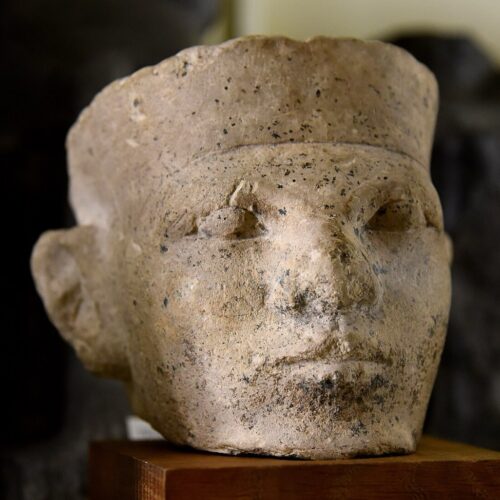
New forensic evidence has emerged, supporting the long-debated theory of "retainer sacrifice" among the earliest pharaohs of Egypt's First Dynasty. This practice, where servants and officials were allegedly buried with their rulers to serve them in the afterlife, has been difficult to prove archaeologically due to the plundering and hasty excavation of many ancient Egyptian tombs. A recent paper published in the journal Frontiers in Environmental Archaeology re-examines a collection of skulls excavated in the 1920s. The analysis concludes that more than one-third of these skulls exhibit signs of blunt force trauma, indicating they may have been victims of this ritualistic killing. Roselyn Campbell, a bioarchaeologist at Purdue University and the author of the paper, expressed her fascination with the history of human sacrifice and the contextual nature of violence. Campbell stated that it is crucial to avoid imposing modern interpretations of violence onto ancient cultures, especially given the historical influence of European and colonial archaeology on the study of ancient Egypt. She noted that the debate over retainer sacrifice often polarizes scholars into definitive "yes" or "no" camps, with little recent empirical examination of the skeletal remains. Campbell's research aims to bridge this gap by applying advanced forensic science techniques to legacy data, acknowledging that older remains are often incomplete or modified, which can compromise forensic information. The study's findings provide a significant re-evaluation of existing archaeological data, offering a more nuanced perspective on the funerary practices of the First Dynasty. The implications of this research could reshape our understanding of social hierarchies, religious beliefs, and the exercise of power during this foundational period of Egyptian history. The re-analysis of these skulls, using contemporary forensic methodologies, allows for a more objective assessment of trauma patterns that were previously uninterpreted or misinterpreted. This scientific approach moves beyond speculative interpretations and grounds the discussion in tangible physical evidence, offering a more robust foundation for understanding ancient Egyptian mortuary rituals and the lives, and deaths, of those who served the pharaohs. The journal Frontiers in Environmental Archaeology serves as the platform for this significant contribution to Egyptology, highlighting the ongoing potential for new discoveries through the re-examination of historical collections with modern scientific tools. The research underscores the importance of interdisciplinary approaches, combining archaeology, bioarchaeology, and forensic science, to unlock the secrets of the past.
Original source — read the full reporting at the publisher:
Read on Ars TechnicaGet the weekly AI digest
AI news + new model releases, weekly. Drafted by our agents, reviewed by humans.