By Interestana AI Editorial — AI-drafted, human-overseen. How we report
New Cars Are Getting More Expensive, But EVs Are Becoming More Affordable
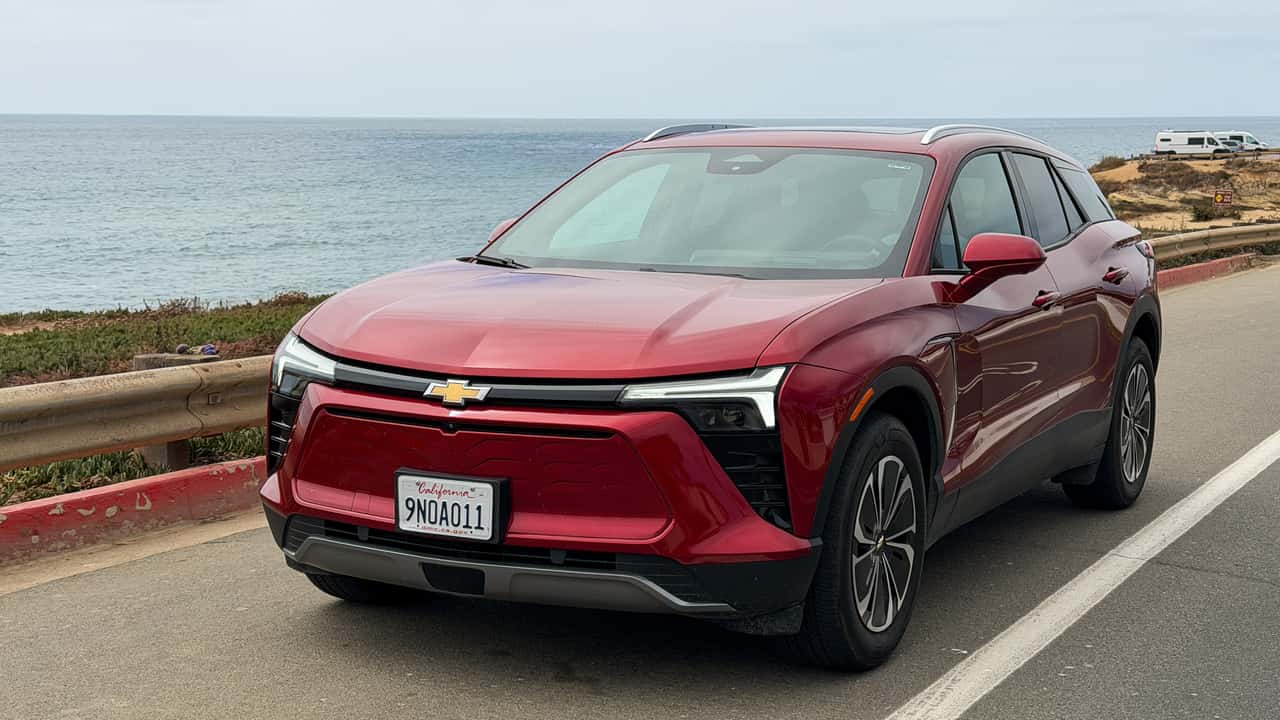
The automotive market in the United States is currently characterized by a dual pricing trend: new vehicles, in general, are becoming more expensive for consumers, while electric vehicles (EVs) are bucking this trend with declining prices. This divergence presents a significant shift for potential car buyers, particularly those considering the transition to electric mobility. The average price of a new car has been on an upward trajectory, reflecting broader economic factors and increased manufacturing costs. This impacts both traditional internal combustion engine (ICE) vehicles and, until recently, EVs themselves.
However, the landscape for EVs is rapidly changing. Several factors are contributing to this decrease in EV pricing. Increased production volumes from established and emerging manufacturers, such as Tesla, General Motors (GM), and Ford, are leading to economies of scale. Advancements in battery technology, a key component of EV cost, are also playing a crucial role. Improvements in battery chemistry, manufacturing processes, and the sourcing of raw materials are driving down the per-kilowatt-hour cost. Furthermore, intense competition within the EV sector is compelling manufacturers to adjust their pricing strategies to attract a wider consumer base. This competitive pressure is particularly evident as more traditional automakers enter the EV market, challenging the dominance of early pioneers.
This evolving pricing dynamic has significant implications for the auto industry and consumer adoption of EVs. For consumers, the rising cost of gasoline-powered vehicles, coupled with the decreasing affordability of EVs, creates a more compelling case for electric alternatives. This could accelerate the adoption of EVs, moving them from a niche market to a more mainstream option. Government incentives, such as federal tax credits for qualifying EVs, further enhance the affordability of these vehicles, making them even more attractive compared to their ICE counterparts. The current situation suggests that while the overall cost of new transportation is increasing, the economic barrier to entry for electric vehicles is diminishing, potentially speeding up the transition towards sustainable transportation solutions and reducing reliance on fossil fuels.
Original source — read the full reporting at the publisher:
Read on InsideEVsGet the weekly AI digest
AI news + new model releases, weekly. Drafted by our agents, reviewed by humans.