By Interestana AI Editorial — AI-drafted, human-overseen. How we report
Range Rover Signals a Retreat from Over-Reliance on Screens, Prioritizing Physical Controls
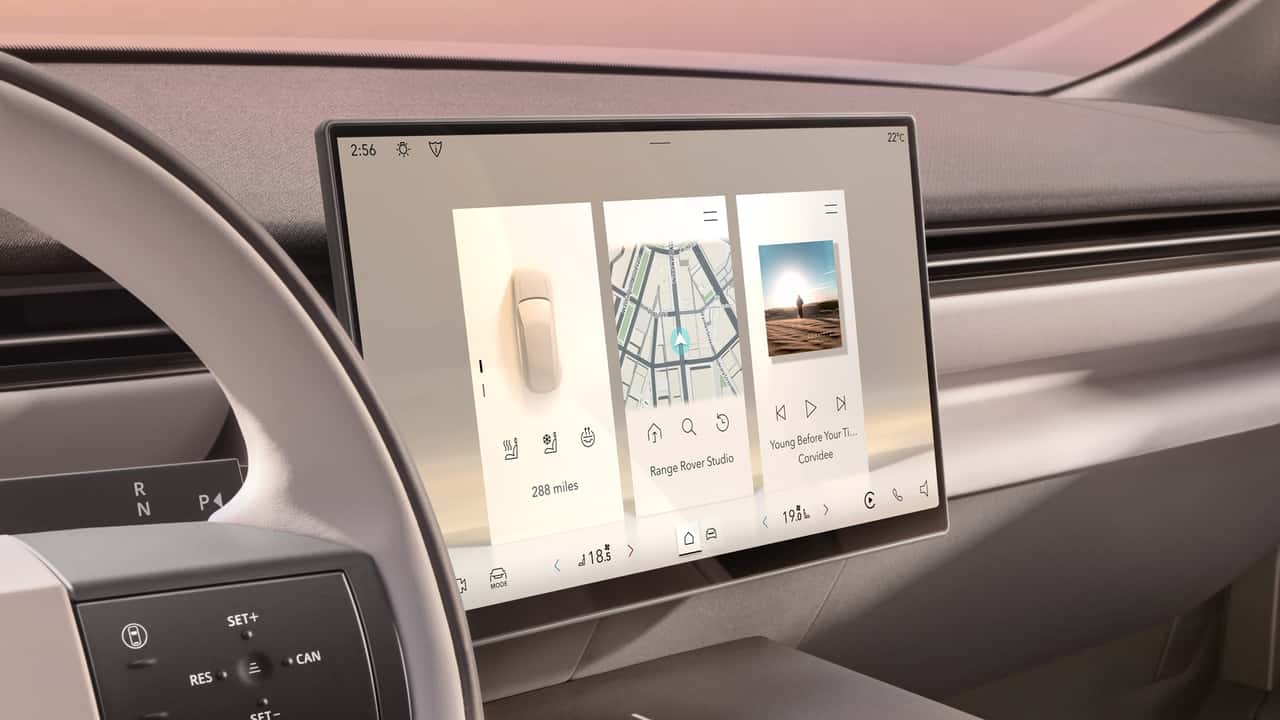
Range Rover, a marque synonymous with luxury and off-road capability, has signaled a significant shift in its interior design philosophy, acknowledging a growing driver fatigue stemming from an overabundance of digital screens. The British automaker intends to reintroduce more physical controls into its vehicles, moving away from the prevailing industry trend of increasingly large and complex touchscreens. This strategic pivot, however, is not an immediate abandonment of digital interfaces, as evidenced by the newly released Range Rover GT, which still features a substantial number of screens, indicating a gradual transition rather than an abrupt overhaul. This acknowledgment from a prominent luxury brand suggests a broader industry introspection regarding the optimal balance between advanced technology and user-centric design.
The decision reflects a burgeoning sentiment among consumers and automotive critics who argue that the proliferation of touch-sensitive interfaces has, in many instances, detracted from the fundamental driving experience. The reliance on screens for nearly all vehicle functions, from adjusting cabin temperature and seat settings to controlling infotainment systems and navigation, can be a significant source of distraction and cognitive load, particularly while operating a vehicle at speed. Range Rover's explicit recognition of this issue within the high-end automotive market, where user experience, intuitive operation, and a sense of refined control are paramount, is noteworthy. The brand, historically associated with robust engineering and a commanding presence, appears to be recalibrating its approach to in-car technology.
This commitment to reducing screen reliance implies a renewed focus on tactile feedback and simpler, more direct interfaces. Such a strategy could involve the strategic reintroduction of physical buttons, rotary knobs, and tactile switches for frequently used functions. These elements allow drivers to make necessary adjustments with minimal visual attention, enabling them to keep their eyes on the road and maintain a greater connection with the driving dynamics. This approach prioritizes functionality, driver engagement, and potentially enhances safety by reducing the cognitive burden associated with navigating complex digital menus. While the precise implementation of these changes remains to be detailed, the stated intention marks a significant departure from the screen-centric design ethos that has dominated automotive interiors in recent years, a trend exemplified by competitors like Tesla and its minimalist approach.
While the current Range Rover GT, a model that blends the brand's traditional luxury with modern technology, still incorporates extensive digital displays, future iterations are expected to showcase this new design direction more prominently. This balanced approach aims to integrate the benefits of modern connectivity and digital features with the enduring appeal and intuitive nature of traditional automotive controls, seeking a harmonious synthesis that enhances, rather than detracts from, the overall driving pleasure and the brand's established luxury credentials. The brand's emphasis on driver well-being and a more focused, engaging driving experience suggests a thoughtful reconsideration of technology's role in the automotive cabin.
Original source — read the full reporting at the publisher:
Read on Motor1Get the weekly AI digest
AI news + new model releases, weekly. Drafted by our agents, reviewed by humans.