By Interestana AI Editorial — AI-drafted, human-overseen. How we report
Nepal-Tibet Flood Death Toll Exceeds 1,000; DNA Used for Victim Identification Amidst Ongoing Rescue Efforts
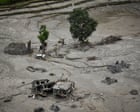
Nearly a week after devastating floods ravaged Nepal and the Tibet Autonomous Region of China, the confirmed death toll has tragically surpassed 1,000. The disaster, which originated from glacial lake outburst floods (GLOFs) in Tibet, has left a trail of widespread destruction across Nepal's towns, valleys, and critical infrastructure. Rescue operations are now intensely focused on hundreds of hydropower workers who remain trapped within the ruins of several devastated hydropower stations, which have become the epicenters of the ongoing search and recovery efforts.
Nepali rescuers have been working tirelessly, constructing temporary bridges to access remote and heavily impacted areas. They are also meticulously sifting through the debris of the destroyed hydropower projects in the challenging Himalayan terrain. Prime Minister Balendra Shah of Nepal has reported that over 11,000 people have been successfully rescued across the affected regions. Significant progress has also been made in restoring power and communication lines in some of the worst-hit locations, a crucial step in coordinating relief and providing vital information to affected communities.
The sheer scale of the devastation and the difficulty in identifying victims amidst the widespread destruction has necessitated the use of advanced forensic techniques. Police have begun requesting blood samples and photographs from relatives of missing persons, including tourists who were in the affected areas. This measure is critical for the accurate identification of bodies, a process made arduous by the force of the floods and the extensive damage to infrastructure and homes.
The event has highlighted the acute vulnerability of Himalayan regions to extreme weather phenomena, a concern increasingly amplified by the impacts of climate change. A visual guide has been released, detailing the unfolding of the flash flood event, explaining its causes and progression, underscoring the complex interplay of environmental factors. The mountainous and remote nature of many affected communities and infrastructure projects, such as the hydropower stations where hundreds remain stranded, presents significant logistical challenges for rescue teams. The Nepali government is coordinating with international aid agencies to bolster relief efforts and provide essential support to the displaced and affected populations. The long-term economic and environmental repercussions for the region are anticipated to be substantial, requiring extensive rebuilding initiatives and enhanced disaster preparedness strategies. The ongoing use of DNA for victim identification serves as a stark reminder of the profound loss and the immense challenges faced in accounting for all those affected by this catastrophic event.
Original source — read the full reporting at the publisher:
Read on The Guardian WorldGet the weekly AI digest
AI news + new model releases, weekly. Drafted by our agents, reviewed by humans.