By Interestana AI Editorial — AI-drafted, human-overseen. How we report
Burnham Blames Tory Legacy for UK Economic Vulnerability
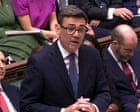
Andy Burnham, in his inaugural Prime Minister's Questions (PMQs) exchange with Kemi Badenoch, asserted that the Conservative party's historical governance is responsible for rendering the United Kingdom susceptible to market volatility. This assertion was made as the nation's borrowing costs continued to escalate. Burnham drew a parallel between the current market pressures, experienced on his second day in office, and the economic instability that followed Liz Truss's "mini-Budget." However, the Prime Minister countered this comparison by arguing that it was the Conservative party's prior administrations' shortcomings in addressing the UK's economic growth and national debt that created the conditions for the economy to be exposed to market shocks. The exchange highlights a significant political debate regarding the root causes of the UK's current economic challenges, with Burnham pointing to long-standing Conservative policies and Badenoch defending the government's approach while implicitly acknowledging past issues.
The context of this political confrontation is a period of heightened economic sensitivity for the UK. The nation's borrowing costs, a key indicator of market confidence and the perceived risk of lending to the government, have been on an upward trend. This increase in borrowing costs can have a ripple effect across the economy, potentially leading to higher interest rates for businesses and consumers, increased government debt servicing expenses, and a general dampening of economic activity. The reference to Liz Truss's "mini-Budget" evokes a specific period of intense market turmoil in October 2022, which saw a sharp decline in the value of the pound and a rapid rise in government bond yields following unfunded tax cuts announced by her government. The comparison by Burnham suggests a belief that the current economic vulnerabilities are not isolated incidents but rather the culmination of a sustained period of economic mismanagement under Conservative leadership.
Kemi Badenoch, in her role as Prime Minister, is tasked with responding to these criticisms and presenting the government's economic narrative. Her rebuttal, which places blame on the Conservative party's "failure to address the UK’s growth and debt," indicates an acknowledgment of historical economic challenges while seeking to frame the current situation as a consequence of past inaction rather than current policy missteps. This framing is crucial for the government's political strategy, aiming to distance itself from specific past crises like the Truss mini-Budget while still holding the Conservative party accountable for the broader economic landscape. The ongoing debate underscores the complex interplay between political rhetoric, economic performance, and public perception in the United Kingdom.
Original source — read the full reporting at the publisher:
Read on The Guardian WorldGet the weekly AI digest
AI news + new model releases, weekly. Drafted by our agents, reviewed by humans.