By Interestana AI Editorial — AI-drafted, human-overseen. How we report
‘Neither war nor peace’: Palestinians in Gaza existing amid disease, despair and ruins
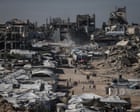
Palestinians in Gaza are enduring a state of profound devastation, describing lives irrevocably altered by the October 7th attacks by Hamas and the subsequent Israeli offensive. Three years after the initial attacks, residents report living amidst widespread ruins, grappling with pervasive disease, and experiencing deep despair. The current situation is characterized by a critical lack of basic necessities and a constant, arduous struggle for survival, painting a grim and persistent picture of daily existence.
Ahmed Ishtaiwi, a 43-year-old driver and mechanic, exemplifies the immense hardships faced by the civilian population. Among his most prized possessions are six cheap, plastic, and battered chairs, a poignant illustration of the scarcity and the immense value placed on even the most rudimentary items in the current environment. His personal account, echoed by numerous other individuals, underscores the profound material and psychological toll the ongoing conflict has exacted. The extensive destruction of homes, essential infrastructure, and public services has displaced countless families, forcing them into precarious living conditions with severely limited access to adequate shelter, nutritious food, and clean, potable water.
The health crisis in Gaza is reportedly escalating at an alarming rate. Damaged healthcare facilities, coupled with a severe shortage of medical resources, are struggling to cope with the overwhelming influx of patients. Disease outbreaks are becoming increasingly frequent, exacerbated by poor sanitation systems, contaminated water sources resulting from infrastructure damage, and severe overcrowding in makeshift temporary shelters. The critical lack of essential medical supplies, life-saving medications, and adequately trained medical personnel further compounds the dire situation, leading to preventable suffering and an unacceptable loss of life. International aid organizations, including the United Nations Relief and Works Agency for Palestine Refugees in the Near East (UNRWA) and the World Health Organization (WHO), have repeatedly issued stark warnings about the catastrophic humanitarian situation, urgently calling for unimpeded access to deliver vital humanitarian supplies and critical medical assistance.
Beyond the immediate physical destruction and escalating health concerns, the psychological impact on the population, particularly on children, is immense and deeply concerning. Years of sustained conflict, recurrent loss of loved ones, and pervasive uncertainty have cultivated an environment of widespread trauma, chronic anxiety, and deep-seated fear. The future remains profoundly uncertain for a vast majority of Gazans, with any meaningful rebuilding efforts severely hampered by the continuation of hostilities and a chronic lack of essential resources and funding. The poignant phrase ‘neither war nor peace’ accurately encapsulates the perpetual state of crisis, instability, and existential threat that defines life in Gaza, where the resilient population continues to endure immense suffering and face seemingly insurmountable challenges.
Original source — read the full reporting at the publisher:
Read on The Guardian WorldGet the weekly AI digest
AI news + new model releases, weekly. Drafted by our agents, reviewed by humans.