By Interestana AI Editorial — AI-drafted, human-overseen. How we report
Nearly Half of Dementia Cases Linked to Modifiable Health Risks
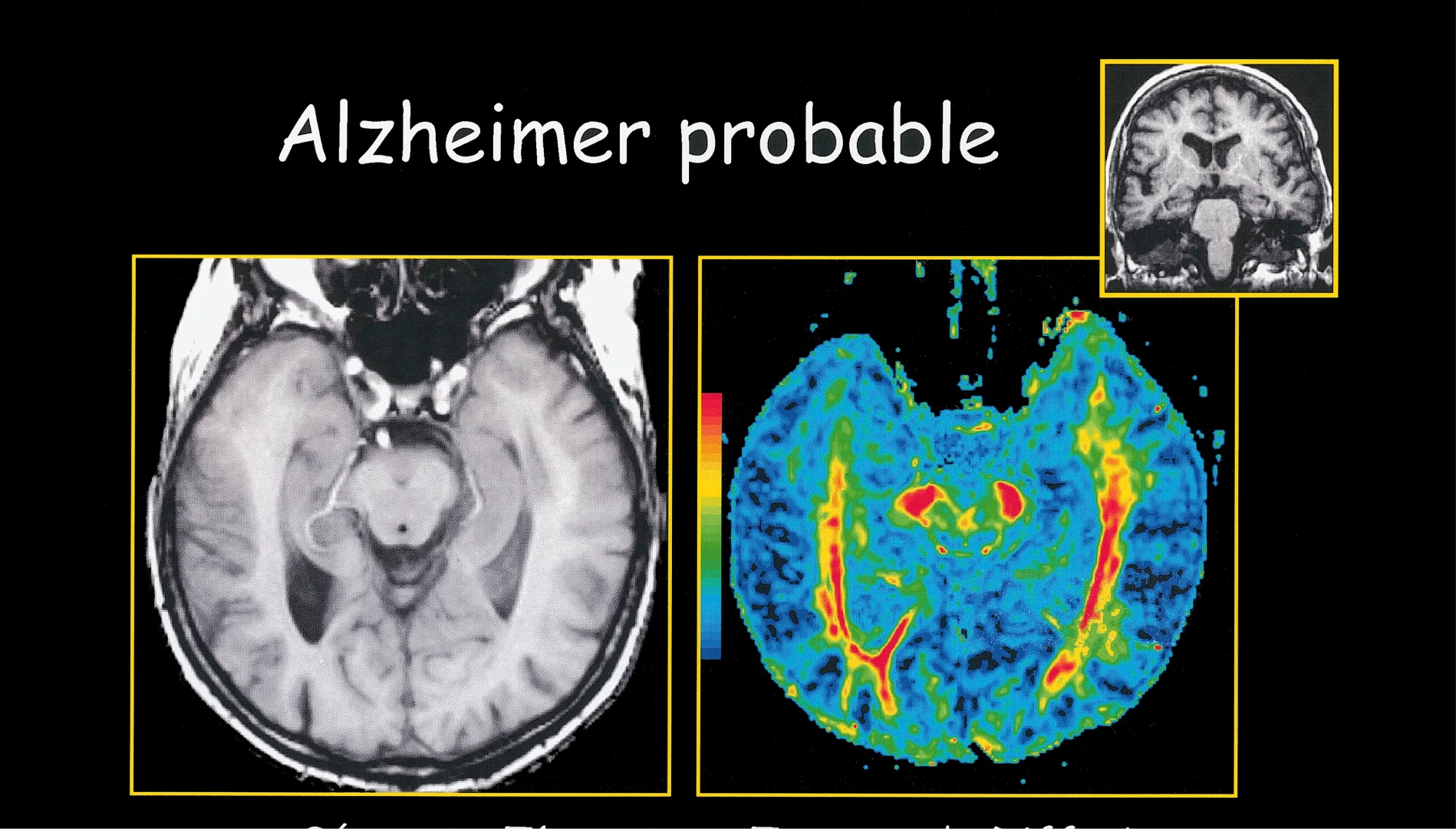
Nearly half of all dementia cases globally may be attributable to modifiable risk factors, according to new research published in The Lancet Public Health. The study, conducted by researchers at the Karolinska Institute in Sweden, identified several key lifestyle and health conditions that significantly increase the risk of developing dementia, including Alzheimer's disease and vascular dementia. These factors, which can be altered or managed, account for an estimated 42% of dementia cases worldwide.
The identified risk factors include smoking, high blood pressure, diabetes, obesity, physical inactivity, depression, and hearing loss. The researchers emphasized that addressing these issues could lead to a substantial reduction in the global burden of dementia. For instance, smoking is estimated to contribute to 8% of dementia cases, while high blood pressure is linked to 5% of cases. Other significant contributors include diabetes (3%), obesity (2%), and physical inactivity (1%). The study also highlighted the impact of social isolation and poor diet, though their precise contributions were not quantified in the same manner.
This research builds upon previous work, such as the 2020 Lancet Commission report, which identified nine modifiable risk factors. The current study provides updated estimates based on more recent data and a broader scope of analysis. The findings underscore the importance of public health initiatives and individual efforts to manage these risk factors throughout life. The researchers suggest that interventions targeting these areas could be highly effective in preventing or delaying the onset of dementia, thereby improving quality of life for millions and reducing healthcare costs.
The study analyzed data from numerous population-based studies, incorporating a wide range of demographic and health information. By using meta-analysis techniques, the researchers were able to synthesize findings from diverse populations and generate robust estimates for the population-attributable fraction of dementia linked to each risk factor. The implications of these findings are far-reaching, suggesting that a proactive approach to health management, starting from mid-life, could significantly alter the trajectory of cognitive decline for a substantial portion of the population. The authors advocate for comprehensive strategies that integrate prevention and management of these risk factors into routine healthcare and public health policies.
Original source — read the full reporting at the publisher:
Read on Inc.Get the weekly AI digest
AI news + new model releases, weekly. Drafted by our agents, reviewed by humans.