By Interestana AI Editorial — AI-drafted, human-overseen. How we report
TSMC May Join Musk's Chip Venture; Intel Stock Falls
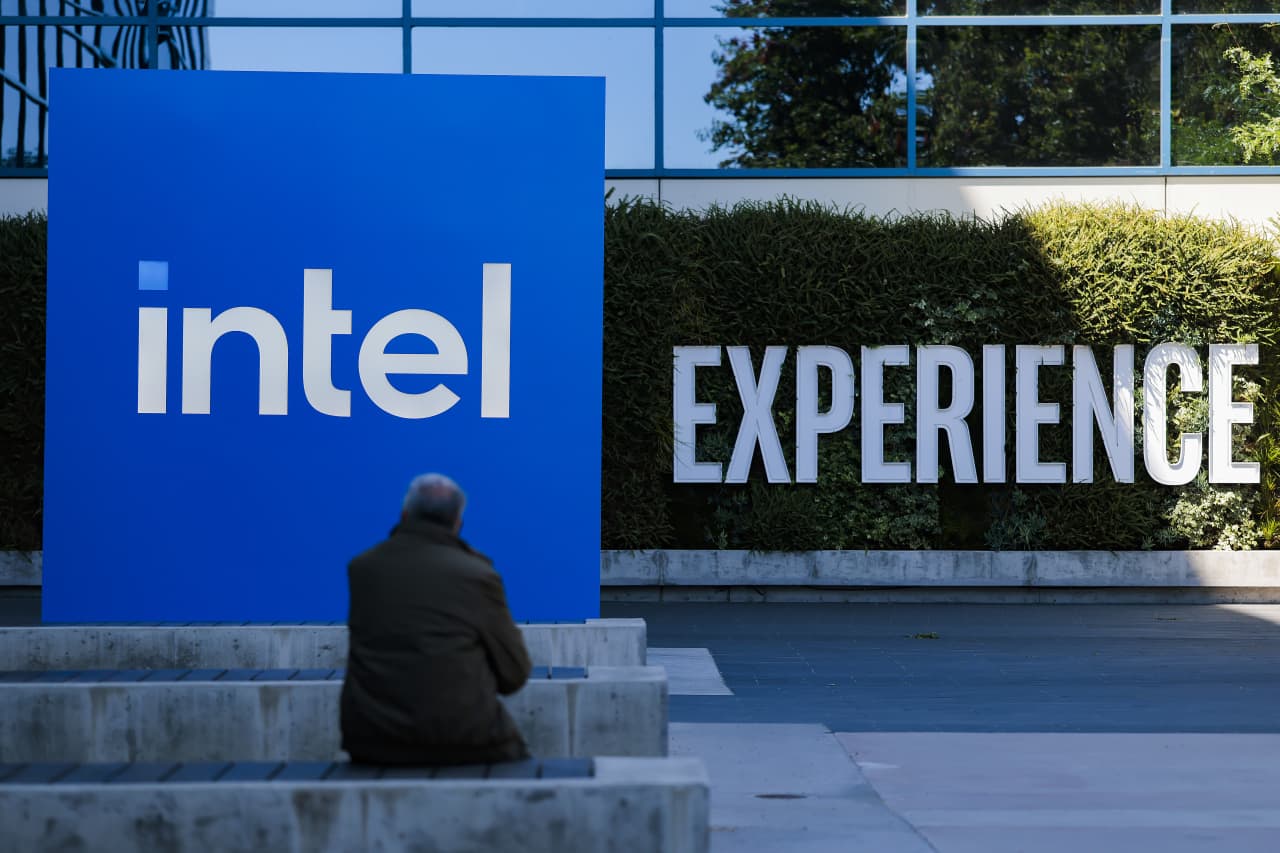
Intel's stock experienced a notable decline on Monday, reportedly in response to news that Taiwan Semiconductor Manufacturing Company (TSMC) might collaborate with Elon Musk's ambitious semiconductor fabrication venture. The potential involvement of TSMC, the world's largest contract chip manufacturer, in Musk's "Terafab" project could significantly impact the competitive landscape of semiconductor production, particularly for established players like Intel.
Elon Musk's "Terafab" initiative aims to establish a massive chip manufacturing facility, a project that requires substantial investment and advanced technological expertise. The involvement of TSMC, known for its cutting-edge manufacturing processes and significant production capacity, would lend considerable credibility and capability to Musk's endeavor. TSMC's expertise in producing advanced logic chips for companies like Apple and Nvidia makes it a critical player in the global semiconductor supply chain. Its potential participation in Musk's project suggests a strategic move to secure future manufacturing capabilities or to diversify its customer base beyond its current major clients.
The news has put pressure on Intel, which has been investing heavily in its own foundry services to compete with TSMC and Samsung. Intel Foundry Services (IFS) aims to attract external chip designers to use its manufacturing facilities, a business model similar to TSMC's. Any significant competitor, especially one backed by a figure like Elon Musk and potentially supported by TSMC's manufacturing prowess, could pose a challenge to Intel's foundry ambitions. The market's reaction, reflected in Intel's stock price dip, indicates investor concern about the potential implications for Intel's market share and its strategy to regain leadership in chip manufacturing technology.
While the specifics of TSMC's potential involvement remain unconfirmed, the mere suggestion has sent ripples through the industry. TSMC's decision would likely be influenced by strategic considerations, including its capacity utilization, long-term customer relationships, and the overall geopolitical landscape surrounding semiconductor manufacturing. The United States, in particular, has been encouraging the establishment of domestic chip manufacturing capabilities to reduce reliance on East Asian production, and Musk's project, if realized, could align with these national security and economic objectives. The outcome of these discussions will be closely watched by the entire technology sector, as it could reshape the future of chip production and the competitive dynamics within the industry.
Original source — read the full reporting at the publisher:
Read on MarketWatchGet the weekly AI digest
AI news + new model releases, weekly. Drafted by our agents, reviewed by humans.