By Interestana AI Editorial — AI-drafted, human-overseen. How we report
Flock Cameras Become Midterm Election Campaign Target
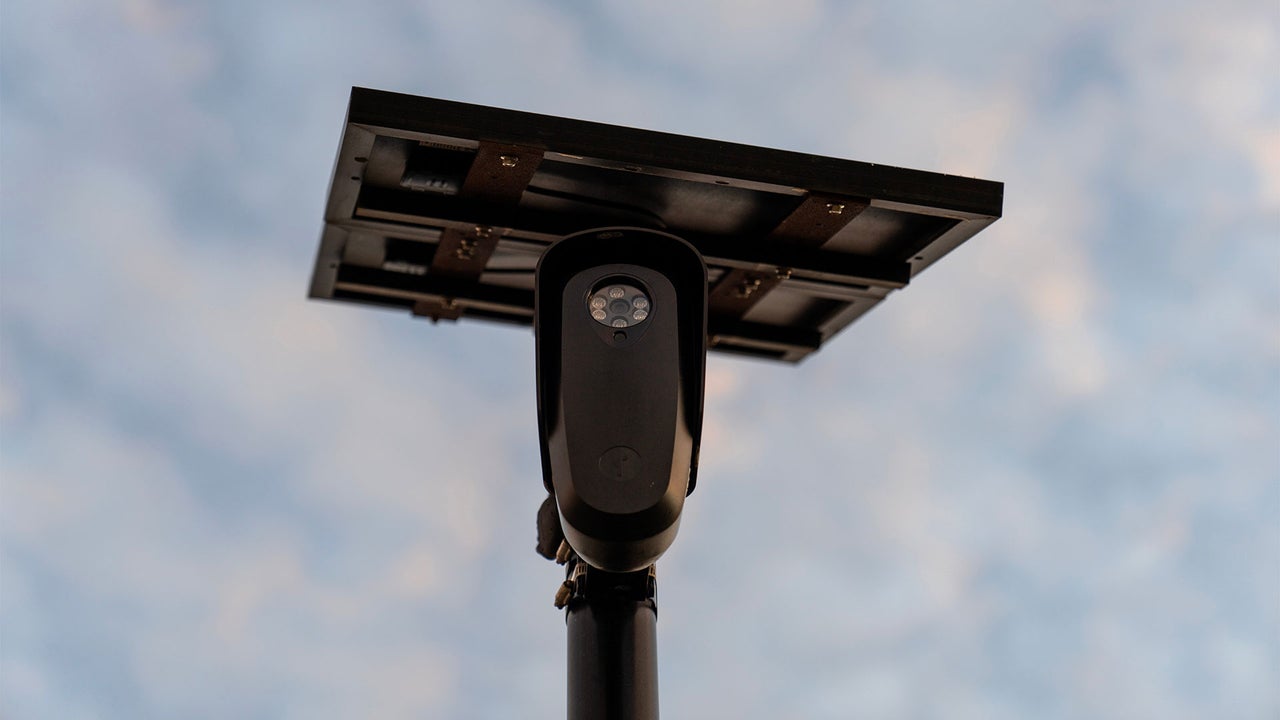
AI-powered Flock cameras, a nationwide network of automated cameras that record license plates and other vehicle characteristics, have emerged as a significant campaign issue in the current midterm elections. Candidates across the political spectrum are increasingly vocal in their opposition to the technology, with some advocating for bans and others calling for limitations on their use. In Wisconsin, gubernatorial candidates have expressed a desire to limit the cameras, while in Pennsylvania, candidates have stated their support for a ban. A congressional candidate in Michigan has labeled the technology as "un-American," and a Florida Senate candidate is actively selling merchandise to oppose them. The widespread deployment of these cameras, which enable law enforcement agencies to search and share data on passing vehicles, is being framed by critics as a form of unconstitutional warrantless mass surveillance. Flock Safety, the Atlanta-based company that sells these cameras, states that they are currently operational in 6,000 communities across every U.S. state except Alaska. The company asserts that its technology is an invaluable crime-fighting tool, having aided in solving approximately one million crimes and reuniting roughly 10,000 missing individuals with their families. The debate surrounding Flock cameras is reflective of a broader public backlash against powerful technology companies and is connected to ongoing discussions about the future of artificial intelligence and the rapid expansion of data center construction. Michael Soyfer, an attorney with the Institute for Justice, a public interest law firm involved in litigation concerning the technology, noted that "candidates running on banning them, cutting off funding, or requiring warrants" is a testament to the efforts of activists who have raised concerns about the cameras' deployment. In response to the growing political scrutiny, Flock's vice president of communications, MoMo Zhou, urged those discussing the issue to consider the factual record, including the crimes solved, families reunited, existing safeguards, and the actual functionality of their technology. The company emphasizes that its cameras are designed to assist law enforcement in their duties while also implementing safeguards to address privacy concerns. The increasing focus on Flock cameras by political campaigns highlights a growing public awareness and concern regarding the pervasive use of surveillance technology and its implications for civil liberties and privacy in the digital age. This trend suggests that technology policy, particularly concerning AI and data collection, will continue to be a prominent theme in electoral politics.
Original source — read the full reporting at the publisher:
Read on Fast CompanyGet the weekly AI digest
AI news + new model releases, weekly. Drafted by our agents, reviewed by humans.