By Interestana AI Editorial — AI-drafted, human-overseen. How we report
Tesla Cybercab Under Federal Investigation Over Steering Wheel
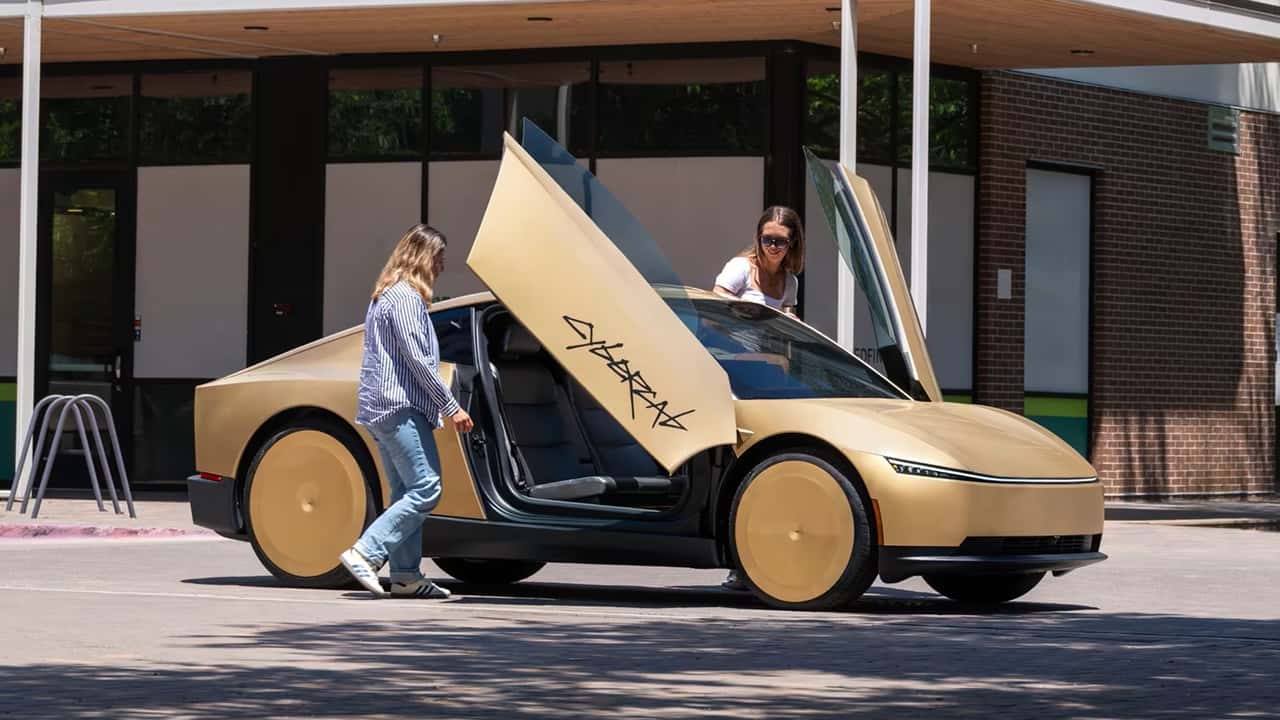
The National Highway Traffic Safety Administration (NHTSA) has initiated an investigation into Tesla's recently unveiled Cybercab, a fully autonomous electric vehicle, specifically examining its design that omits a traditional steering wheel. This inquiry commenced shortly after Tesla officially launched the Cybercab, signaling immediate regulatory scrutiny for the innovative vehicle. The investigation's primary focus is on the implications of a vehicle operating without a driver-controlled steering mechanism, a departure from conventional automotive design and safety standards. The NHTSA's involvement suggests a proactive approach to assessing the safety and compliance of autonomous vehicle technology with existing and potentially evolving regulations.
Tesla's Cybercab, presented as a robotaxi service, is designed for fully autonomous operation, meaning it is intended to navigate without human intervention. The absence of a steering wheel, brake pedal, or accelerator pedal in the production version of the Cybercab is a key feature of its autonomous capabilities. This design choice aligns with Tesla's long-term vision for self-driving technology, aiming to create vehicles that can operate independently in urban environments. However, this radical departure from established vehicle controls has drawn the attention of safety regulators who are tasked with ensuring the safety of all road users. The investigation will likely involve a thorough review of Tesla's autonomous driving system, its fail-safe mechanisms, and its performance under various driving conditions.
The NHTSA's investigation into the Cybercab's steering wheel omission is part of a broader effort by regulatory bodies worldwide to understand and govern the rapidly advancing field of autonomous driving. As companies like Tesla push the boundaries of vehicle autonomy, regulators face the challenge of adapting safety frameworks to accommodate new technologies. The outcome of this investigation could have significant implications for the future development and deployment of autonomous vehicles, potentially influencing design choices and regulatory requirements for self-driving cars. Tesla has not yet released a public statement regarding the NHTSA's investigation, but the company has historically emphasized the safety benefits of its autonomous driving systems. The Cybercab's development represents a significant step towards a future where vehicles are primarily operated by artificial intelligence, and regulatory bodies are now tasked with ensuring this future is also a safe one. The investigation is expected to delve into the redundancy systems and emergency protocols in place for the Cybercab, particularly in scenarios where the autonomous system might encounter unexpected situations or require immediate disengagement. The lack of manual override controls, such as a steering wheel, means that any malfunction or critical event would rely entirely on the software and hardware's ability to manage the situation safely, or to bring the vehicle to a secure stop. This level of reliance on automated systems is precisely what the NHTSA will be scrutinizing.
Original source — read the full reporting at the publisher:
Read on InsideEVsGet the weekly AI digest
AI news + new model releases, weekly. Drafted by our agents, reviewed by humans.