By Interestana AI Editorial — AI-drafted, human-overseen. How we report
School Cell Phone Bans Show Little Academic Impact
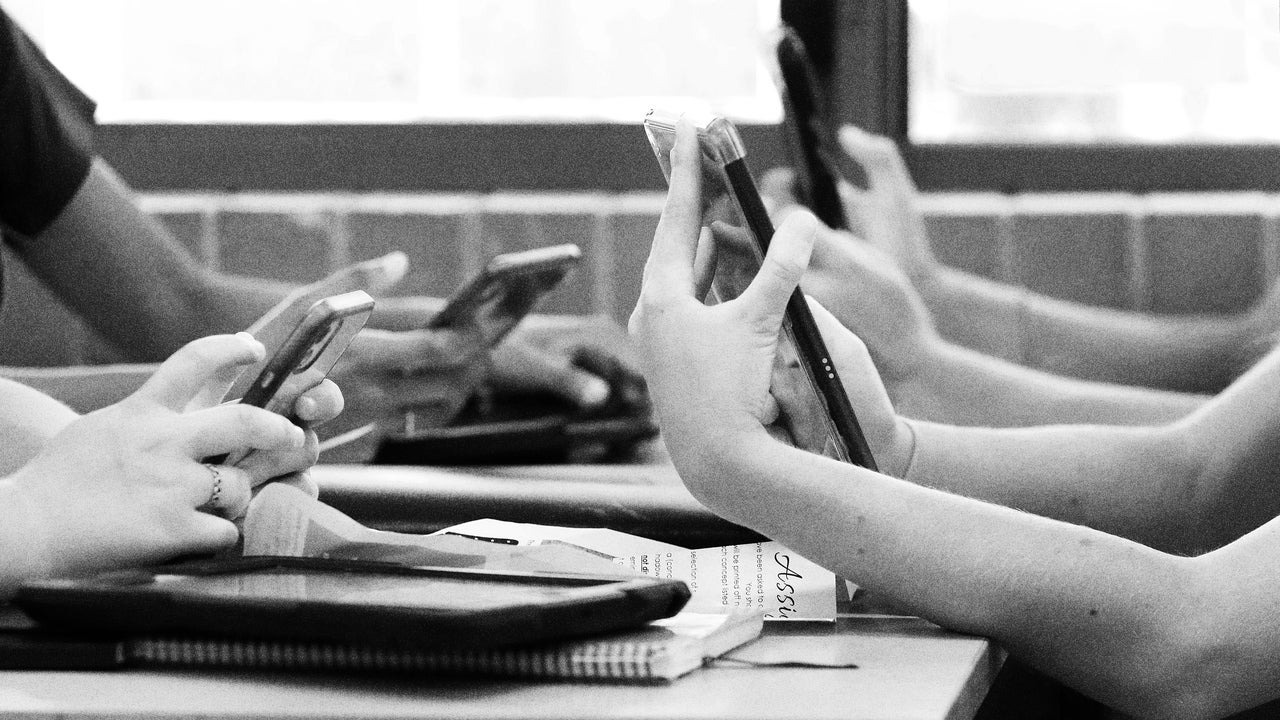
A growing number of states have implemented school-wide cell phone bans over the past three years, a practice that dates back to 1989 when Maryland first prohibited the devices. By 2009, nine out of ten schools had banned cell phones, but this trend reversed with the proliferation of smartphones and parental concerns about emergency communication. As these bans are being reinstated, renewed questions are emerging regarding their effectiveness in improving academic performance and reducing bullying. Initial data suggests that the anticipated positive outcomes have not materialized. A study conducted by Stanford University's Institute for Economic Policy Research and the National Bureau of Economic Research, released earlier this year, found that schools enforcing cell phone bans for the past three years observed virtually no impact on student test scores. Jason Baron, an assistant professor of economics at Duke University and a co-author of the study, expressed surprise at this finding, stating that the researchers initially expected to see a positive shift in test scores. He explained that the assumption was intuitive, as educators observe students using phones in class and logically deduce that removing them would lead to increased attention. However, upon further reflection, the lack of significant change was understandable. Test scores are inherently difficult to influence, and the mere removal of a phone does not guarantee improved focus; students may engage in other distracting behaviors like doodling or daydreaming. Baron noted that parents and legislators might have overlooked these alternative distractions. Furthermore, the study authors found little evidence to suggest that restricting phone usage had any positive effect on other aspects of the school environment, such as attendance rates. The research highlights the complexity of educational outcomes and suggests that simple interventions like cell phone bans may not be a panacea for academic improvement or behavioral issues. The study's findings are significant for policymakers and educators considering or maintaining such bans, indicating a need for more comprehensive strategies to address student engagement and academic success. The research team's analysis focused on quantifiable metrics, aiming to provide empirical evidence to inform educational policy. The implications of these findings extend to the broader debate about technology's role in education and the challenges of managing its integration within the classroom setting. The study's methodology involved analyzing standardized test scores and other relevant school data from a sample of schools that had implemented bans, comparing them to control groups. The researchers emphasized that while the absence of a negative impact is notable, the lack of a positive impact is the key takeaway for policy considerations. The study did not delve into the specific reasons for the lack of impact, such as alternative distractions or the quality of instruction, but rather focused on the aggregate effect of the ban itself on measurable outcomes. This research contributes to a growing body of literature examining the efficacy of school policies aimed at mitigating the perceived negative effects of digital devices on learning.
Original source — read the full reporting at the publisher:
Read on Fast CompanyGet the weekly AI digest
AI news + new model releases, weekly. Drafted by our agents, reviewed by humans.