By Interestana AI Editorial — AI-drafted, human-overseen. How we report
Nepal and Tibet Floods: A Stark Climate Warning as Death Toll Rises
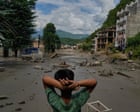
Catastrophic flash floods that struck Nepal and Tibet over the weekend have resulted in a devastating loss of life, with the death toll climbing to at least 903 as of this morning. The scale of the disaster is immense, with an additional 4,000 individuals reported missing, underscoring the urgent need for ongoing search and rescue operations. Rescue workers are facing immense challenges as they race against time to locate survivors trapped in villages that were engulfed by torrents of mud and debris. In a matter of minutes, entire communities were submerged, bridges were snapped, and homes were swept away, leaving a trail of destruction. Survivors are facing harrowing circumstances, with some marooned on the rooftops of their submerged homes, inaccessible to rescue teams, while others are trapped in tunnels beneath the ground. The emotional toll is profound, as many grapple with the uncertainty of their loved ones' fates.
The devastating events in Nepal and Tibet serve as a stark and urgent warning about the escalating climate risks facing not only this vulnerable region but also the entire planet. The intensity and frequency of such extreme weather events are increasingly linked to the broader impacts of climate change. This disaster highlights the fragility of communities situated in geographically susceptible areas and the devastating consequences when natural disasters strike with such ferocity. The immediate focus remains on the critical search and rescue efforts, providing essential aid to those who have survived, and conducting thorough damage assessments to understand the full extent of the devastation.
Beyond the immediate humanitarian crisis, the long-term implications for the region are significant. Infrastructure has been severely damaged, economies will be impacted, and the potential for widespread population displacement is a serious concern. This tragedy underscores the critical need for enhanced disaster preparedness strategies and robust climate adaptation measures in vulnerable areas worldwide. International aid and support will undoubtedly play a crucial role in the recovery and rebuilding process for Nepal and Tibet. The events serve as a powerful reminder of the global impact of climate change and the imperative for collective action to mitigate its effects. The loss of life and the displacement of thousands represent a profound human tragedy, exacerbated by environmental conditions that are becoming increasingly unpredictable and severe. The situation remains critical, with ongoing efforts to reach those still unaccounted for and provide vital support to the affected populations as the full impact of these floods continues to unfold.
Original source — read the full reporting at the publisher:
Read on The Guardian WorldGet the weekly AI digest
AI news + new model releases, weekly. Drafted by our agents, reviewed by humans.