By Interestana AI Editorial — AI-drafted, human-overseen. How we report
UK Grid Operator Can Impose Emergency Power Cuts
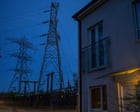
Millions of households across Great Britain are now subject to emergency power cuts that can be implemented at short notice, following new regulations that empower the national electricity system operator (Neso) to enact rolling blackouts as a last resort. These changes, which became effective this week, streamline the process for Neso to manage the electricity grid when energy supplies are critically low, aiming to prevent more widespread and prolonged outages. Previously, such drastic measures might have required explicit government authorization, but the updated protocols allow Neso to act more autonomously in critical situations.
The new rules are designed to provide Neso with greater flexibility and speed in responding to potential energy deficits. The operator's primary responsibility is to maintain the balance between electricity supply and demand across the national grid. When demand exceeds available generation capacity, or when unexpected plant outages occur, the grid can become unstable. Rolling blackouts, also known as load shedding, are a mechanism to deliberately interrupt power to certain areas for a limited time, thereby reducing overall demand and safeguarding the integrity of the entire electricity network. This measure is considered a last resort, employed only when all other options to balance the system have been exhausted.
While the specific number of households or regions that could be affected by these short-notice cuts has not been detailed, the implication is that a significant portion of the population could experience disruptions. The announcement comes amid ongoing concerns about energy security, particularly in light of geopolitical instability and the transition to renewable energy sources, which can be intermittent. The government has been working to bolster the UK's energy resilience, but the potential for supply shortfalls remains a key challenge. Neso's enhanced powers reflect a proactive approach to managing these risks, prioritizing the stability of the national grid over the immediate convenience of all consumers.
This development signifies a shift in how energy emergencies are managed in the UK. By granting Neso the authority to initiate rolling blackouts without immediate governmental intervention, the system is designed to react more swiftly to critical situations. The aim is to prevent cascading failures that could lead to a complete national grid collapse, a scenario with far more severe and long-lasting consequences than localized, temporary power cuts. The effectiveness and public reception of these new measures will likely be closely monitored as the country navigates the complexities of its energy future.
Original source — read the full reporting at the publisher:
Read on The Guardian WorldGet the weekly AI digest
AI news + new model releases, weekly. Drafted by our agents, reviewed by humans.