By Interestana AI Editorial — AI-drafted, human-overseen. How we report
Michigan Commits $7.5 Million to Uncover Potential of Geologic Hydrogen for Clean Energy Future
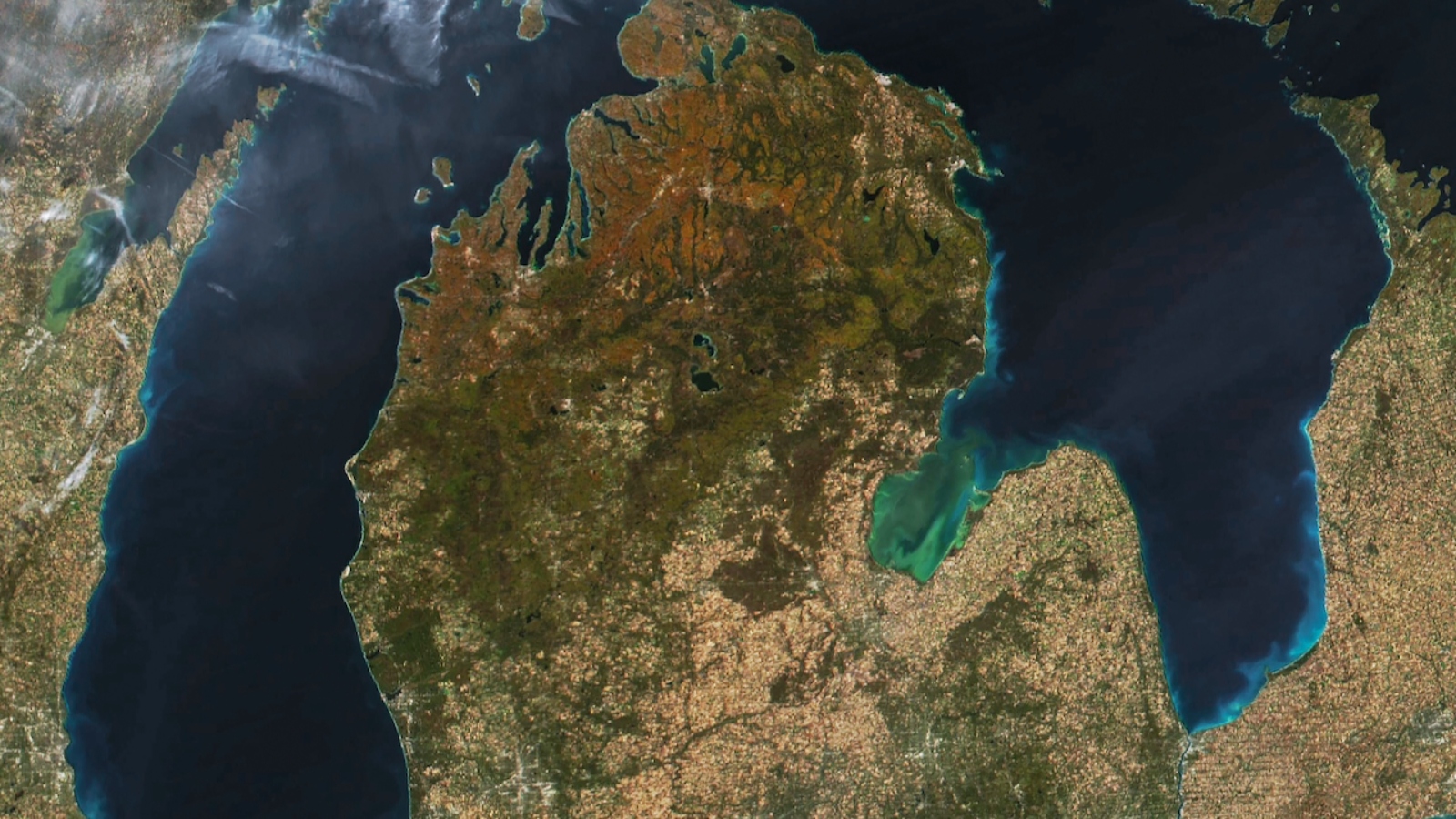
Michigan is making a significant investment of $7.5 million to investigate the potential of geologic hydrogen, a clean energy resource believed to be present beneath the state's surface. This initiative aims to determine if this naturally occurring hydrogen can play a pivotal role in transitioning away from fossil fuels. The appeal of hydrogen as a clean energy source lies in its combustion byproduct: pure water. Unlike the greenhouse gases and harmful air pollutants released by burning fossil fuels, hydrogen combustion produces no detrimental emissions, making it a highly attractive alternative for environmental remediation.
Kevin Mehren, director of the Michigan Infrastructure Office, highlighted the critical role geologic hydrogen could play in decarbonizing Michigan's high-emission industries. Sectors such as trucking, steel manufacturing, and cement production, which are significant contributors to the state's carbon footprint, could potentially be powered by this clean energy. Nationally and within Michigan, energy production, including that from natural gas plants, and the transportation sector are identified as the leading sources of greenhouse gas emissions. Mehren described geologic hydrogen as "one of the strongest" decarbonization tools available, possessing "massive potential across all aspects of our economy" to bridge energy gaps and establish a novel energy supply.
The impetus for this state-level investment stems from a comprehensive 2025 study by the U.S. Geological Survey (USGS). This federal study mapped areas across the United States with substantial potential for buried hydrogen, identifying Michigan as a region with high prospects. Following the USGS findings, Governor Gretchen Whitmer directed state resources towards further research in January, leading to this recent $7.5 million funding announcement. The exploration of geologic hydrogen is not entirely novel; companies in states like Kansas, Nebraska, and Iowa, which were also flagged in the USGS survey for their hydrogen potential, are already actively engaged in drilling for this resource, according to data from Sandia National Laboratories. Sandia National Laboratories is a U.S. Department of Energy national laboratory that conducts research and development in a wide range of scientific and engineering fields, including energy and national security.
Mehren expressed optimism that Michigan could cultivate a new industry centered around geologic hydrogen, provided that ongoing research validates its potential. The core objectives of this research program are to definitively ascertain the presence of geologic hydrogen, assess the technical and economic feasibility of its extraction, and confirm its efficacy as a substantial energy solution. A portion of the $7.5 million will be specifically allocated to detailed research in areas within Michigan's lower peninsula that geologists suspect may harbor significant reserves of natural hydrogen. These promising locations are situated above a major geological formation known as the Midcontinent Rift, a vast ancient geological structure that extends across a significant portion of North America and is known for its unique geological characteristics that could facilitate hydrogen accumulation.
Original source — read the full reporting at the publisher:
Read on GristGet the weekly AI digest
AI news + new model releases, weekly. Drafted by our agents, reviewed by humans.