By Interestana AI Editorial — AI-drafted, human-overseen. How we report
Polyester Backlash Overstated, Natural Fibers Not Always Superior
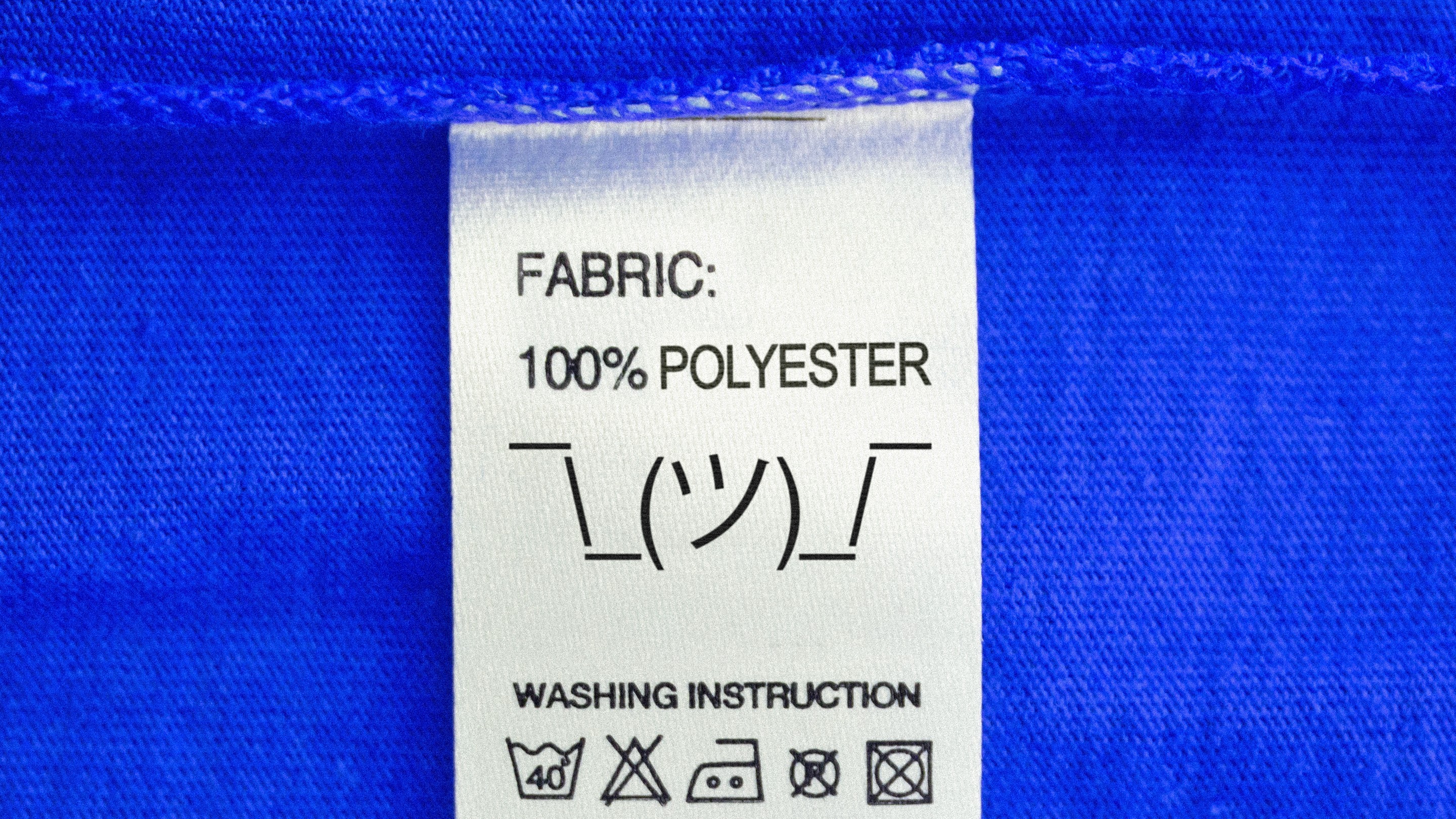
The prevailing narrative that polyester is inherently inferior to natural fibers like cotton, wool, and linen is being challenged, with a new perspective suggesting this backlash has gone too far. This viewpoint contends that while natural fibers are often lauded for their sustainability and comfort, they possess significant drawbacks that are frequently overlooked, while polyester's advantages are unfairly dismissed. The argument posits that the environmental impact of natural fiber production, particularly cotton, is substantial, involving vast water consumption, extensive land use, and heavy reliance on pesticides and herbicides. For instance, conventional cotton cultivation can require thousands of liters of water to produce a single kilogram of fiber, and its intensive farming practices can lead to soil degradation and biodiversity loss. In contrast, modern polyester production, especially when utilizing recycled materials, offers a more resource-efficient alternative. Recycled polyester, derived from post-consumer plastic bottles, significantly reduces reliance on virgin petroleum, conserves energy, and diverts waste from landfills and oceans. This process can use up to 59% less energy compared to virgin polyester production, according to some industry estimates.
Beyond environmental considerations, the performance characteristics of polyester often surpass those of natural fibers in specific applications. Polyester is renowned for its durability, wrinkle resistance, quick-drying properties, and resistance to stretching and shrinking. These attributes make it an ideal material for activewear, outdoor gear, and work uniforms, where longevity and ease of care are paramount. Natural fibers, while breathable and soft, can be prone to fading, shrinking, and require more delicate washing and drying procedures. Cotton, for example, can absorb and retain moisture, leading to discomfort during strenuous activities, whereas polyester's moisture-wicking capabilities keep the wearer dry. Wool, though naturally insulating and odor-resistant, can be itchy for some individuals and requires careful laundering to prevent felting.
The critique of polyester often stems from its association with fast fashion and its synthetic origins, leading to concerns about microplastic pollution from washing. However, the industry is actively developing solutions, including advanced filtration systems for washing machines and innovative fabric treatments to minimize fiber shedding. Furthermore, the focus on polyester's negative aspects can overshadow the environmental toll of producing and processing natural fibers, which also involve chemical treatments, dyes, and transportation emissions. The lifecycle assessment of textiles is complex, and a blanket condemnation of polyester fails to acknowledge the nuances of material science and manufacturing advancements.
Ultimately, the argument is not to advocate for a complete shift to synthetic materials but to encourage a more balanced and informed perspective on textile choices. Both natural and synthetic fibers have their place in a sustainable and functional wardrobe. The key lies in understanding the specific properties of each material, considering the intended use, and supporting brands that prioritize ethical production, recycled content, and responsible end-of-life management for their products. A nuanced approach, rather than an outright rejection of polyester, allows for better-informed decisions that can benefit both consumers and the environment.
Original source — read the full reporting at the publisher:
Read on The AtlanticGet the weekly AI digest
AI news + new model releases, weekly. Drafted by our agents, reviewed by humans.