By Interestana AI Editorial — AI-drafted, human-overseen. How we report
Massachusetts EV Owners Earn Selling Battery Power
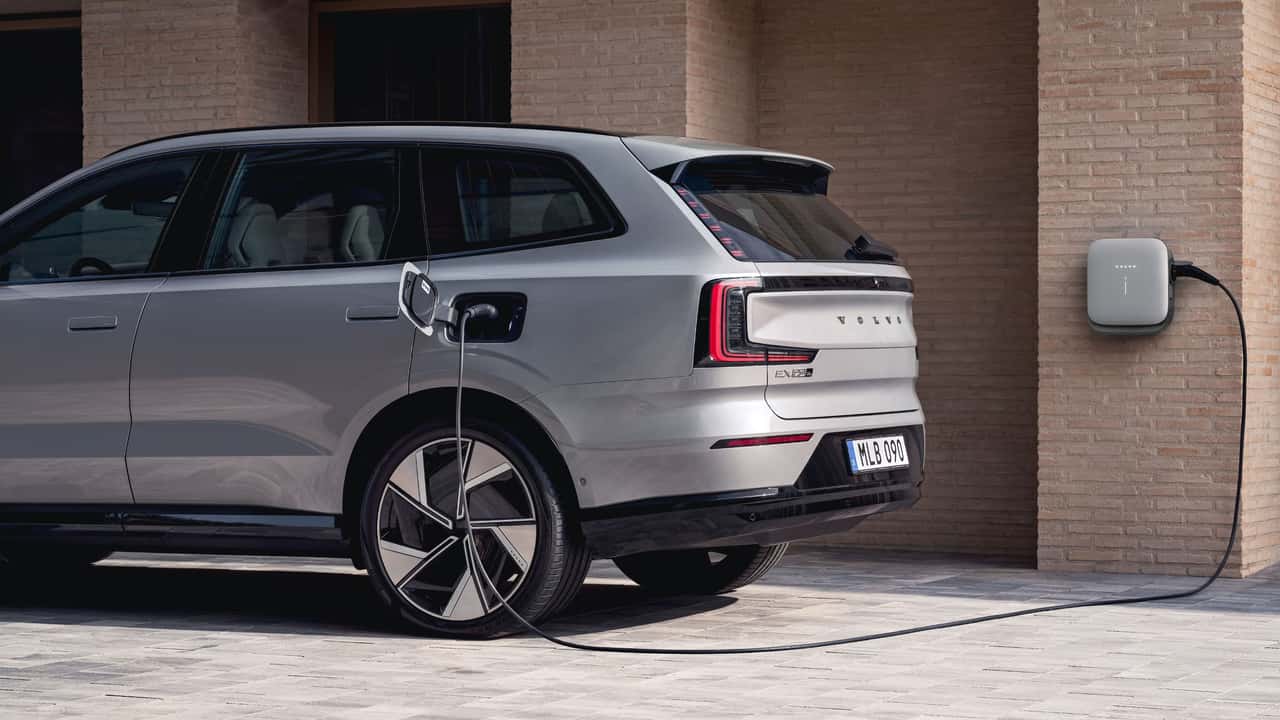
Massachusetts launched a pilot program this week that will compensate electric vehicle (EV) owners for sending power from their car batteries back to the electrical grid. This initiative, known as the "Vehicle-to-Grid" or V2G program, aims to leverage EV batteries as a distributed energy resource to help stabilize the grid, particularly during peak demand periods. The program is being facilitated by the Massachusetts Department of Energy Resources (DOER) in collaboration with local utilities and technology providers.
Participants in the V2G program will be able to earn money by allowing their EVs to discharge stored energy back to the grid when it is most needed. This can occur during times of high demand, such as hot summer afternoons when air conditioning use surges, or during grid emergencies. The revenue generated will depend on the amount of energy discharged and the prevailing electricity prices. The program seeks to incentivize EV adoption by providing an additional financial benefit to owners.
The expansion of data centers and increasing electrification of transportation are placing significant demands on the existing electrical infrastructure. V2G technology offers a potential solution by transforming EVs from passive consumers of electricity into active participants in grid management. The stored energy in EV batteries can help to smooth out fluctuations in supply and demand, reduce reliance on fossil fuel-based peaker plants, and potentially lower overall energy costs for all consumers. This pilot program in Massachusetts is one of the first large-scale implementations of such a system in the United States.
While specific details on the technology partners and the exact financial compensation models are still being finalized, the DOER has indicated that the program will utilize smart charging technology and bidirectional charging capabilities. These systems will allow for the controlled flow of electricity between the EV battery and the grid, ensuring that the vehicle's battery is not depleted beyond a user-defined minimum level. The success of this pilot could pave the way for similar programs in other states and contribute to a more resilient and sustainable energy future.
Original source — read the full reporting at the publisher:
Read on InsideEVsGet the weekly AI digest
AI news + new model releases, weekly. Drafted by our agents, reviewed by humans.