By Interestana AI Editorial — AI-drafted, human-overseen. How we report
Zuckerberg's Yacht Faced Scrutiny After Alaska Maritime Incident
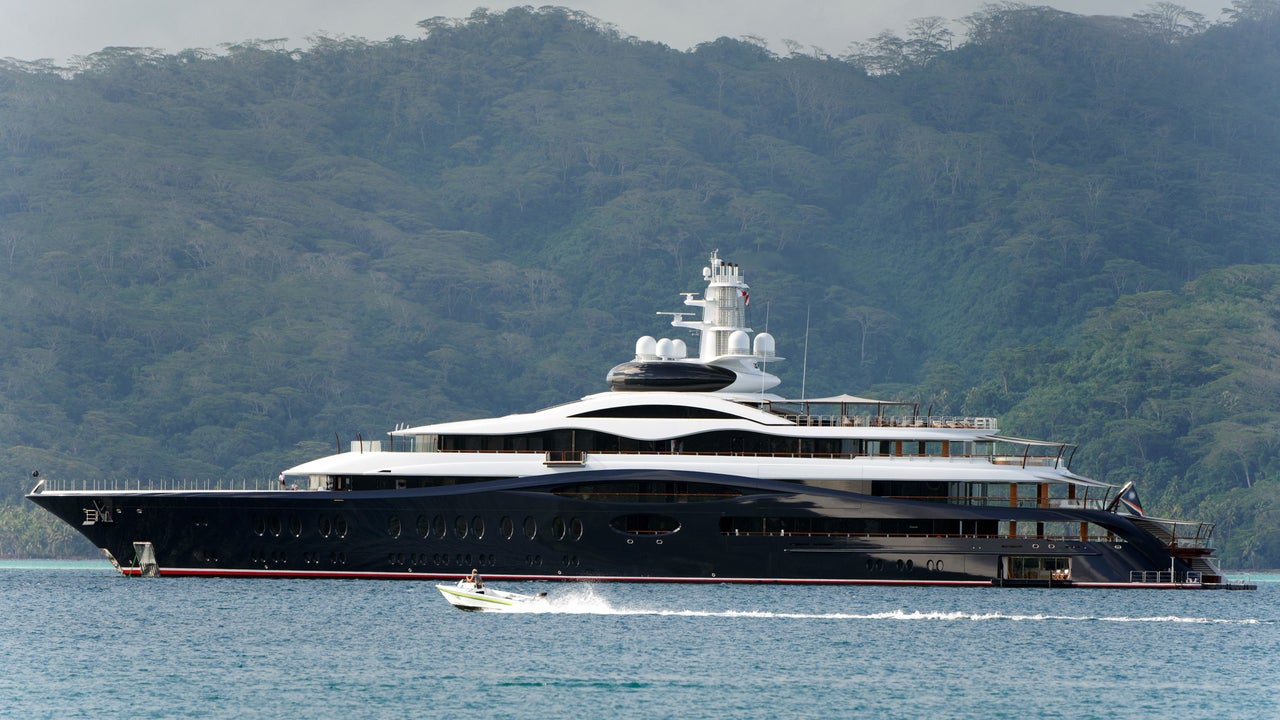
Mark Zuckerberg's 387-foot yacht, the Launchpad, has drawn criticism following an incident off the coast of Alaska where its crew did not immediately respond to a call for assistance from a disabled skiff. The skiff, a 21-foot Hewescraft, ran out of fuel on August 3 and initially hailed the U.S. Coast Guard for help at approximately 9:32 p.m. The Coast Guard determined the skiff was not in distress about 25 minutes later and issued an assistance request to nearby vessels. A passenger on the Wilderness Legacy cruise ship later posted on social media that Zuckerberg's yacht had "refused" to respond, sparking public attention.
A spokesperson for Meta CEO Mark Zuckerberg stated that the yacht's crew did not immediately hear the radio call. By the time they did, another nearby vessel had already provided assistance. The skiff was ultimately towed to Farragut Bay by the Wilderness Legacy and refueled. Maritime law expert Ian Ralby explained that while there is a legal obligation for vessels to respond to ships in distress, provided it does not endanger their own crew, this situation appears to fall outside that requirement. Ralby, president of Auxilium Worldwide, a nonprofit focused on ocean governance, differentiated between a distress call requiring immediate emergency response, such as for an ambulance, and a request for assistance like a tow or jump-start, which is more akin to calling roadside assistance. He emphasized that the legal obligations to respond differ significantly based on the nature of the emergency, even if both situations involve a need for help.
According to Zuckerberg's spokesperson, neither Mark Zuckerberg nor his family were aboard the Launchpad yacht at the time of the incident. The incident highlights the nuances of maritime law and the expectations placed upon large vessels operating in remote areas. While the skiff was in a precarious situation, the lack of immediate response from the Launchpad, even if not legally mandated, has led to public scrutiny. The U.S. Coast Guard confirmed the timeline of events and the nature of the assistance request, clarifying that the skiff was ultimately aided by another ship. The incident underscores the difference between a critical distress situation and a request for non-emergency assistance at sea, and the varying legal and ethical responsibilities that accompany each.
Original source — read the full reporting at the publisher:
Read on Fast CompanyGet the weekly AI digest
AI news + new model releases, weekly. Drafted by our agents, reviewed by humans.