By Interestana AI Editorial — AI-drafted, human-overseen. How we report
Madrid F1 Circuit Exceeds Noise Limits in Testing
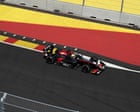
Madrid's newly constructed Formula One circuit, the Madring, has generated significant local opposition due to concerns over noise pollution and environmental impact, particularly after recent testing sessions recorded decibel levels nearly twice the legal limit. Opponents have accused regional authorities of prioritizing economic gains over the well-being of residents. The 5.4-kilometer (3.3 miles) circuit, located in the north-east of the Spanish capital, was built at a cost of €83 million (£71 million). Officials from the regional government of Madrid and the city council anticipate that the Madring will attract tourists, stimulate the local economy, and establish the city as a prominent destination in the world of motor racing. The circuit is marketed as being "perfectly connected" and "just 20 minutes from the city centre."
The inaugural Spanish Grand Prix is scheduled to take place at the Madring later this month, marking a significant event for the city and Formula One. However, the high noise levels detected during preliminary tests have amplified existing concerns among residents living in proximity to the circuit. These tests, intended to ensure the track's readiness for the Grand Prix, have instead provided concrete evidence for critics who have long warned about the potential for excessive noise to disrupt daily life and negatively impact the local environment. The discrepancy between the expected operational noise and the recorded levels raises questions about the effectiveness of noise mitigation strategies employed during the circuit's design and construction.
Environmental groups and local resident associations have voiced strong objections, citing potential long-term consequences for wildlife and the general quality of life in the surrounding areas. They argue that the economic benefits touted by city officials do not adequately compensate for the environmental degradation and the disruption to peace and quiet. The €83 million investment in the Madring circuit is seen by some as a misallocation of public funds, particularly when weighed against the immediate and tangible negative impacts on the community. The promise of economic uplift through tourism and sporting events is being challenged by the reality of increased noise pollution and potential ecological strain.
Despite the outcry, city council representatives have continued to emphasize the economic advantages the circuit is expected to bring. They maintain that the Madring will create jobs, boost local businesses through increased visitor numbers, and enhance Madrid's international profile. The regional government has stated its commitment to addressing resident concerns, though specific measures to mitigate the reported noise levels beyond what was initially planned have not been detailed. The situation highlights a common tension in urban development projects that involve large-scale sporting infrastructure: balancing economic aspirations with the preservation of residents' quality of life and environmental sustainability. The upcoming Spanish Grand Prix will be a critical test of whether the circuit can operate without causing undue distress to the local population, and whether the promised economic benefits will materialize as projected.
Original source — read the full reporting at the publisher:
Read on The Guardian WorldGet the weekly AI digest
AI news + new model releases, weekly. Drafted by our agents, reviewed by humans.