UK Birdsong Declined Dramatically Over 50 Years
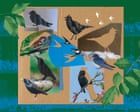
The United Kingdom's dawn chorus has undergone a dramatic decline in birdsong over the past 50 years, with an estimated loss of 73 million wild birds. This significant reduction in avian populations has led to a substantially quieter soundscape compared to the abundant symphony of the past. Historically, the morning chorus was so intense that it could wake residents, featuring a rich variety of species like house sparrows, starlings, wrens, and blackbirds. The naturalist WH Hudson described the thrush's song in 1919 as so powerful that he preferred to observe it from a distance to avoid being woken too early by its "shrill indefatigable voice."
The Guardian has recreated an audio landscape of Britain's dawn chorus from 1976 to illustrate the stark contrast with the present day. This initiative highlights the profound impact of biodiversity loss on the auditory experience of the natural environment. The decline signifies a substantial ecological shift, where the once-overwhelming presence of birdsong has been replaced by a much more subdued soundscape. This loss affects not only the natural ambiance but also serves as a potent indicator of broader environmental challenges impacting bird populations across the country.
The recreated soundscape aims to draw attention to the scale of the loss, emphasizing the vibrant and dense avian chorus that characterized the mid-1970s. The reduction in bird numbers, estimated at 73 million, points to widespread issues affecting wild bird habitats and survival. This auditory comparison serves as a stark reminder of the ecological changes that have occurred over five decades, underscoring the urgency of conservation efforts to protect remaining bird populations and their habitats.
Original source — read the full reporting at the publisher:
Read on The Guardian Environment