Indian State Objects to MSC’s $1.4 Billion Adani Ports Deal
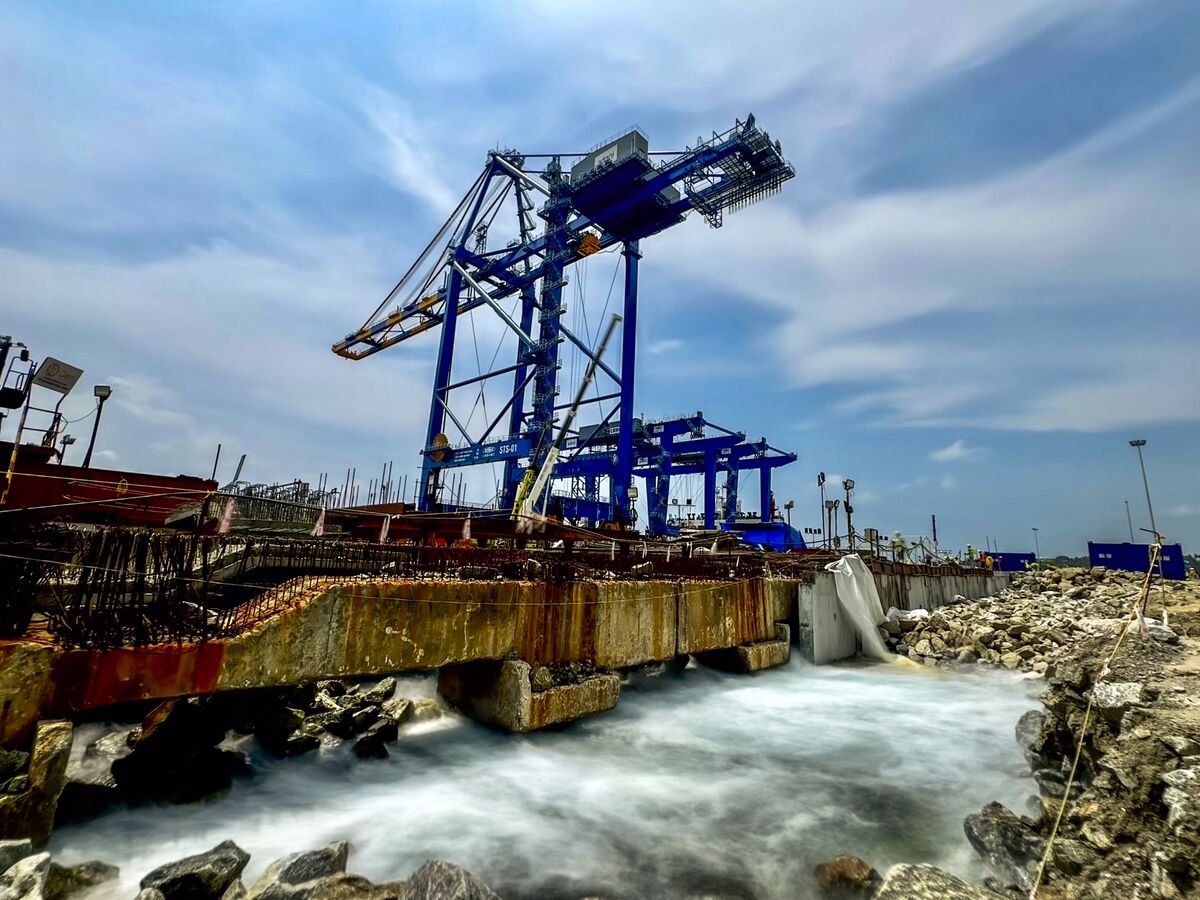
The Indian state of Kerala has formally objected to Mediterranean Shipping Co. (MSC)'s proposed $1.4 billion investment in a container terminal operated by Adani Ports and Special Economic Zone (APSEZ) at the Vizhinjam port. This objection, lodged with the central government, intensifies scrutiny on the Swiss shipping giant following a significant chemical spill incident involving one of its vessels last year. The Kerala government's stance could potentially delay or derail the deal, which was announced in January 2024 and is crucial for Adani Ports' expansion plans.
Sources indicate that the state government's primary concern stems from the chemical spill incident involving the MSC ship 'X-Press Pearl' off the coast of Sri Lanka in May 2021. The spill caused extensive environmental damage, and Kerala authorities are reportedly wary of potential environmental and safety risks associated with MSC's increased involvement in port operations within their jurisdiction. The Vizhinjam port project, a deep-water international transshipment terminal, is a flagship initiative for Kerala, and the state government is keen to ensure its smooth and safe operation.
Adani Ports had announced that MSC would acquire a 49% stake in the Adani International Container Terminal Private Limited (AICTPL) at the Mundra Port in Gujarat. However, the current objection pertains to a separate potential investment by MSC in the Vizhinjam port terminal, which is being developed by the Kerala state government and is expected to be operational by 2024. The state's objection highlights a growing trend of increased regulatory and public scrutiny on large infrastructure deals, particularly those involving foreign investment and companies with a recent history of environmental incidents. The final decision on MSC's investment in the Vizhinjam terminal will likely involve the central government, which is reviewing the state's concerns.
Original source — read the full reporting at the publisher:
Read on Bloomberg Markets