By Interestana AI Editorial — AI-drafted, human-overseen. How we report
Neon Flying Squid Observed in Formation Above Pacific
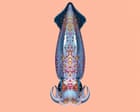
A formation of approximately 100 neon flying squid was documented by Japanese scientists in the Pacific Ocean, an event that occurred about 370 miles from Tokyo. These squid utilize a funnel-like organ to forcefully expel water, enabling them to jet propel themselves through the air and across the sea surface. The observation, which took place on a research vessel approximately 15 years prior to the reporting, saw the squid glide near the boat for about 30 meters. Researchers captured the first photographs of this phenomenon, which one observer likened to the early stages of an alien invasion due to its unusual nature. This sighting confirms anecdotal accounts from sailors who had previously described similar aerial squid behavior to disbelieving listeners. The neon flying squid, scientifically known as Ommastrephes bartramii, are pelagic cephalopods recognized for their bioluminescent properties and their remarkable ability to leap from the water and glide for considerable distances. Their jet propulsion mechanism, involving the rapid expulsion of water from their mantle cavity through a siphon, allows for both underwater locomotion and aerial maneuvers. The formation flying behavior suggests a level of social coordination and communication within the species, a trait not commonly associated with many invertebrate species. This observation contributes to a broader understanding of cephalopod behavior and their adaptive strategies in marine environments. The event highlights the ongoing discoveries within marine biology and the vastness of unexplored behaviors in ocean ecosystems. The researchers' documentation provides critical visual evidence of this extraordinary natural spectacle, moving it from the realm of folklore to scientific observation. The specific distance of 30 meters for the glide and the proximity to the research vessel offer concrete details about the observed event. The location, approximately 370 miles from Tokyo, further situates the sighting within a specific oceanic region. The description of the squid as "smart" and "sociable" by the article implies advanced cognitive or behavioral traits that warrant further investigation. The comparison to an "alien invasion" underscores the profound and unexpected nature of witnessing such an event. This particular species of squid is known for its migratory patterns and its role in the marine food web. The ability to fly or glide is a significant adaptation that may aid in predator evasion, foraging, or efficient travel over the ocean surface. The scientific community's interest in this phenomenon is likely to spur further research into the biomechanics and ecological significance of aerial squid locomotion. The article frames this discovery within a broader context of highlighting remarkable invertebrates, suggesting that such unique abilities are more common than often perceived. The mention of "invertebrate of the year" indicates a campaign or initiative to raise awareness about these often-overlooked creatures. The reporting of this event by The Guardian emphasizes its newsworthiness and its appeal to a general audience interested in natural phenomena.
Original source — read the full reporting at the publisher:
Read on The Guardian EnvironmentGet the weekly AI digest
AI news + new model releases, weekly. Drafted by our agents, reviewed by humans.