Record Leverage Sweeps Financial System
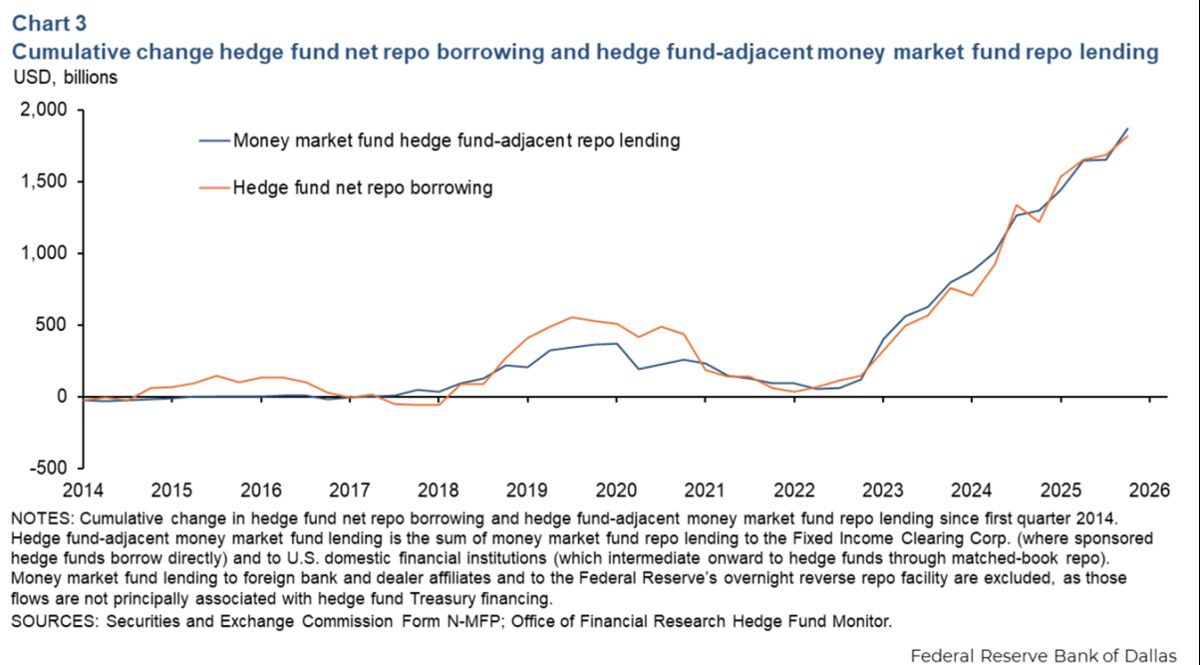
Record levels of leverage are currently sweeping through the global financial system, creating a precarious situation that exposes a wide array of market participants to potential mounting losses. This widespread use of borrowed capital is not confined to a single sector but is impacting hedge funds, commercial banks, retail traders, and even money market funds. The sheer scale of this leverage suggests a heightened systemic risk, where a significant market downturn could trigger cascading failures across these entities.
The implications of this record leverage are multifaceted. For hedge funds, high leverage can amplify both gains and losses, making them particularly vulnerable to sudden market shifts. Banks, which often facilitate this leverage through lending and derivatives, face increased credit risk if leveraged entities default on their obligations. Retail traders, often employing leverage through instruments like leveraged exchange-traded funds (ETFs), can see their investments wiped out rapidly in volatile markets. Money market funds, typically considered safe havens, are also exposed if they hold significant amounts of debt issued by highly leveraged corporations or financial institutions.
While specific figures for the total amount of leverage are difficult to pinpoint across the entire financial system, the "record" nature of its current prevalence indicates a significant departure from historical norms. This surge in leverage is often driven by a search for yield in a low-interest-rate environment or by speculative bets on market movements. However, the current environment, characterized by fluctuating inflation data and geopolitical uncertainties, presents a challenging backdrop for such high-risk strategies. The interconnectedness of these financial players means that distress in one area can quickly spread, potentially leading to liquidity crunches and broader market instability. The situation warrants close monitoring by regulators and investors alike.
Original source — read the full reporting at the publisher:
Read on Bloomberg Markets