By Interestana AI Editorial — AI-drafted, human-overseen. How we report
California braces for El Niño's onslaught: landslides, floods, and rising seas loom
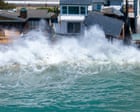
California is confronting the prospect of a multi-faceted natural disaster scenario, with the El Niño climate phenomenon poised to bring a convergence of threats including landslides, flash floods, and severe coastal flooding. El Niño, a recurring climate pattern characterized by the warming of sea surface temperatures in the eastern Pacific Ocean, significantly disrupts global weather systems. Historically, this phenomenon has been linked to increased precipitation and storm activity across the western United States, making California particularly vulnerable.
The state's resilience is being tested by the potential for these hazards to occur concurrently or in close succession. Even without direct storm surges, coastal areas are already experiencing localized flooding due to high tides amplified by warmer ocean waters. An illustrative example occurred on a recent autumn afternoon north of San Francisco, where sunlight reflected off water that had submerged a major intersection, causing significant traffic delays. This type of "sunny day flooding" underscores the escalating vulnerability of California's extensive coastline to rising sea levels and warmer ocean currents, conditions often exacerbated during El Niño events. The Pacific Ocean's elevated temperatures contribute to thermal expansion of water and can influence sea level rise.
Beyond coastal inundation, El Niño's influence typically translates to an increased likelihood of heavy rainfall. This sustained or intense precipitation can saturate the soil, creating unstable conditions that are highly conducive to landslides. California's topography, with its extensive mountainous regions and hillsides, many of which have been destabilized by recent wildfires, becomes particularly susceptible to mudslides and debris flows. The aftermath of wildfires, which remove vegetation that anchors soil, creates a dual threat where areas recovering from fire are at a significantly heightened risk of secondary disasters like landslides and debris flows when subjected to heavy rains. The U.S. Geological Survey (USGS) has extensively documented the increased landslide risk following wildfires in California.
Furthermore, the anticipated surge in rainfall raises serious concerns about flash floods. These events can occur rapidly in canyons, urban environments, and along riverbeds. The combination of already saturated ground from preceding rains and subsequent downpours can overwhelm natural drainage systems and engineered infrastructure such as storm drains and levees. This can lead to the rapid and dangerous accumulation of floodwaters. Emergency management agencies across California are actively assessing the state's critical infrastructure, including dams, reservoirs, and flood control systems, to ensure their capacity to withstand the potential onslaught of extreme weather events. The state's history provides stark reminders of El Niño's destructive potential, with the severe flooding and widespread mudslides experienced during the 1997-1998 El Niño event serving as a critical benchmark for current preparedness efforts. The National Oceanic and Atmospheric Administration (NOAA) monitors El Niño conditions and provides forecasts that guide these preparedness measures.
Original source — read the full reporting at the publisher:
Read on The Guardian EnvironmentGet the weekly AI digest
AI news + new model releases, weekly. Drafted by our agents, reviewed by humans.