By Interestana AI Editorial — AI-drafted, human-overseen. How we report
Antarctic Penguin Colony Suffers Two-Thirds Population Crash
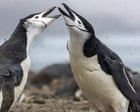
The world's largest chinstrap penguin colony, located on Zavodovski Island in Antarctica, has experienced an "enormous population crash," with numbers declining by two-thirds since 2011. Scientists attribute this rapid demise primarily to the ongoing climate crisis, warning that such a significant reduction in a key species increases the risk of a wider ecosystem collapse. Zavodovski Island, situated as the northernmost of the South Sandwich Islands, hosts a substantial population of these penguins, making its drastic decline a significant indicator of environmental stress in the Antarctic region.
The study, published in the journal Current Biology, utilized extensive data collection and analysis to quantify the population changes. While the exact mechanisms are still under investigation, researchers point to shifts in sea ice extent, ocean temperatures, and prey availability—all direct consequences of climate change—as the most probable drivers behind the chinstrap penguins' struggles. These factors can impact breeding success, chick survival rates, and the overall health and foraging capabilities of the adult penguins. The chinstrap penguin (Pygoscelis antarcticus) is a species particularly sensitive to changes in its marine environment, relying heavily on krill and fish populations that are themselves affected by warming waters and altered ocean currents.
This dramatic population decrease raises serious concerns for the broader Antarctic ecosystem. Penguins serve as a vital link in the food web, and a substantial decline in their numbers can have cascading effects on predators and prey alike. The potential for a wider ecosystem collapse underscores the interconnectedness of Antarctic wildlife and the profound impact that global environmental changes are having on these remote yet critical habitats. Conservation efforts and further research are deemed essential to understand the full implications of this event and to explore potential mitigation strategies, though the scale of the problem suggests that global action on climate change is paramount.
The findings from Zavodovski Island serve as a stark warning about the vulnerability of polar ecosystems to anthropogenic climate change. The study's authors emphasize the need for urgent global action to curb greenhouse gas emissions and limit further warming, which is essential for the long-term survival of Antarctic biodiversity. The research highlights the importance of continued monitoring of penguin populations as bio-indicators of ocean health and the overall state of the Antarctic environment. The specific data points from the study indicate a severe reduction in breeding pairs and chick survival, leading to the overall two-thirds population drop over the past decade.
Original source — read the full reporting at the publisher:
Read on The Guardian EnvironmentGet the weekly AI digest
AI news + new model releases, weekly. Drafted by our agents, reviewed by humans.