By Interestana AI Editorial — AI-drafted, human-overseen. How we report
Labor Watch: University Unions Escalate Contract Disputes, Threatening Strikes
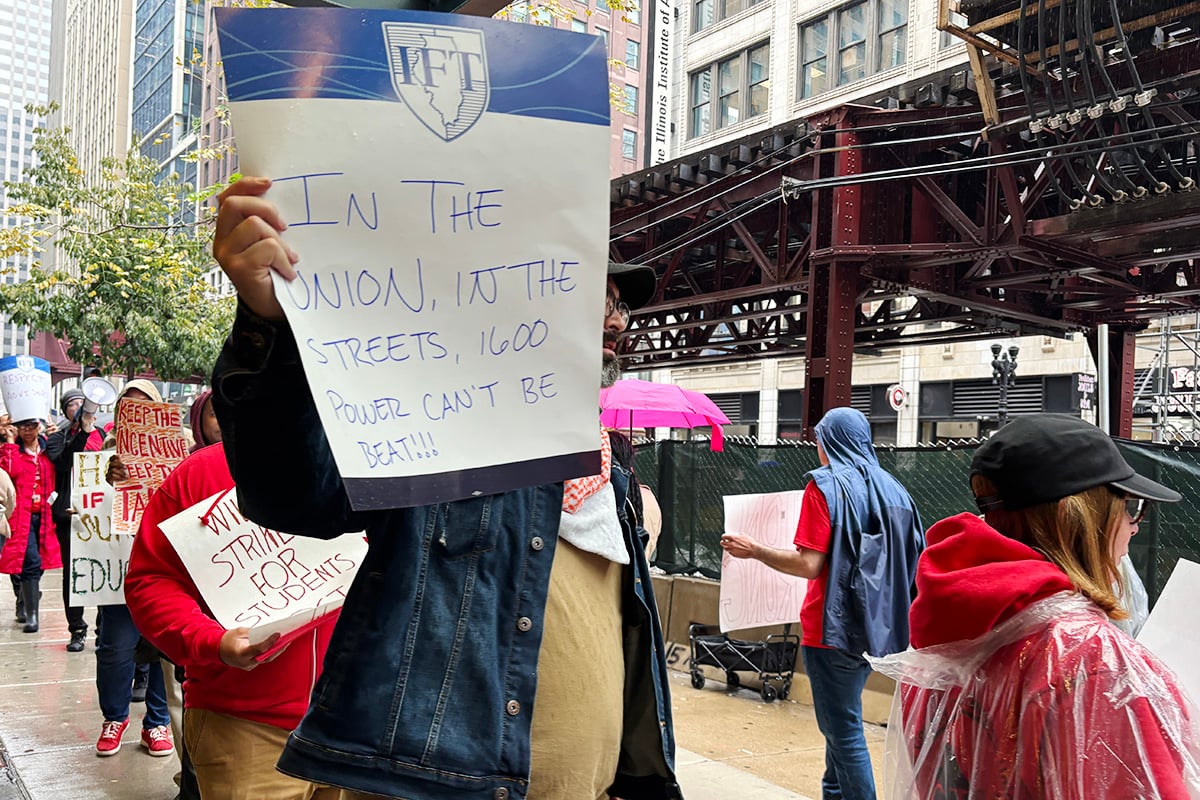
Labor disputes are intensifying at prominent higher education institutions, with unions at Harvard University and the City Colleges of Chicago taking significant steps toward authorizing strikes. These actions come as contract negotiations with university administrations have become protracted, indicating a breakdown in collective bargaining processes. The unions involved, representing various employee groups within these institutions, are signaling their readiness to withdraw labor if their demands are not met, a move that could disrupt academic operations and campus life. While the specific details of the contract stalemates remain undisclosed, the progression towards strike authorization suggests deep-seated disagreements over key contractual elements, likely encompassing wages, benefits, working conditions, and potentially job security.
Harvard University, a globally recognized research university with a long history, faces potential disruption from its unionized workforce. Similarly, the City Colleges of Chicago, a large urban public community college system, is experiencing similar labor tensions. The decision to move towards strike action is typically a last resort, requiring formal votes and authorizations, underscoring the seriousness of the unresolved issues.
Beyond these immediate threats, a broader trend of heightened labor activism is becoming evident across the academic landscape. Unions at other universities, while not yet at the precipice of strikes, are actively amplifying their contract-related grievances. These efforts are designed to exert pressure on university leadership and garner broader support from the campus community and the public. Strategies include organizing visible rallies, which serve to demonstrate the collective strength and solidarity of union members, and circulating petitions, a method to gather widespread backing and highlight the perceived injustices or unmet needs. This proactive approach aims to leverage public opinion and create a more favorable environment for negotiation.
The current climate reflects a challenging period for higher education, which is often navigating financial constraints and evolving operational demands. In this context, unions are increasingly leveraging their collective bargaining power to secure more favorable terms in their contracts. The outcomes of these negotiations at Harvard and the City Colleges of Chicago, as well as the broader impact of these labor actions on other academic institutions, will be closely monitored. The date of October 5, 2026, as indicated in the reporting, serves as a focal point for these escalating tensions, suggesting a potential deadline or a period where these simmering disputes could escalate into significant disruptions if resolutions are not achieved.
Original source — read the full reporting at the publisher:
Read on Inside Higher EdGet the weekly AI digest
AI news + new model releases, weekly. Drafted by our agents, reviewed by humans.