By Interestana AI Editorial — AI-drafted, human-overseen. How we report
Boy with Cerebral Palsy Passes GCSEs Using Eye-Tracking Tech
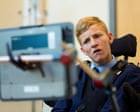
Patrick McCabe, a 16-year-old student at Fallibroome Academy in Macclesfield, Cheshire, has achieved a significant academic milestone by passing his GCSE examinations. McCabe, who has cerebral palsy, utilized specialized eye-tracking technology to complete his exams, a process that required four months to finish. This accomplishment highlights the capabilities of assistive technology in enabling students with disabilities to access and succeed in mainstream education. Following his GCSE success, McCabe has embarked on his A-level studies, opting for French, business, and media studies, indicating his continued academic ambition and the potential for further achievements. His journey underscores the evolving landscape of special educational needs and disabilities (SEND) support within the UK's education system, showcasing both its advancements and persistent challenges. The use of eye-tracking technology, which allows individuals to control a computer cursor or select options by moving their eyes, has been instrumental in McCabe's academic progress. This technology translates eye movements into commands, enabling students who have limited or no motor control to interact with digital devices, write, and participate in assessments. McCabe's success serves as an inspiration and a testament to the potential of integrating technology into educational settings to create more inclusive learning environments. It also brings to the forefront discussions about the resources and support systems available to students with complex needs, emphasizing the importance of personalized learning strategies and technological aids. The extended timeframe of four months for completing his exams is indicative of the intensive effort and specialized support required for students with significant physical challenges. This duration also implicitly points to the need for adequate time and accommodations within the examination system to ensure equitable assessment for all students, regardless of their physical abilities. As McCabe progresses to his A-levels, his experience will likely continue to inform educators, policymakers, and technology developers about the practical applications and benefits of assistive technologies in secondary and further education. His story exemplifies how technological innovation, coupled with dedicated educational support, can unlock the academic potential of students facing considerable obstacles, allowing them to pursue their educational goals on par with their peers.
Original source — read the full reporting at the publisher:
Read on The Guardian EducationGet the weekly AI digest
AI news + new model releases, weekly. Drafted by our agents, reviewed by humans.