By Interestana AI Editorial — AI-drafted, human-overseen. How we report
Japan's Population Shrinks Faster Amidst Stricter Foreigner Rules
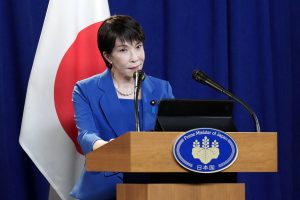
Japan's population is shrinking at an accelerating pace, with the latest five-year census data revealing a 2.5% decline between October 2020 and October 2025, a significant increase from the 0.7% drop recorded in the preceding five-year period. This latest survey, released last week, counted a total population of 122.9 million, including foreign residents. The number of Japanese nationals experienced an even steeper decrease of 3.5%, falling to 119.1 million, compared to a 1.4% decline in the 2020 census. Concurrently, the foreign resident population surged by 40% to a record high of 3.84 million, with permanent residents increasing by 17% to 947,125. This demographic trend occurs as Japan, like other developed economies, grapples with a birth rate consistently below the replacement level of 2.1 children per woman for decades, contributing to a steady population decline that began around 2008. The aging of the population is also a critical concern, with individuals aged 65 and older now constituting 29.4% of the total population in 2025, up from 28.5% in 2020. This demographic shift is so pronounced that adult diapers have outsold baby diapers since 2011, highlighting the societal impact of an aging populace. In response to these challenges, the Japanese government has explored various initiatives to encourage childbirth, such as Tokyo's metropolitan government launching a dating app to foster relationships and the city implementing a four-day workweek and partial leave policies for its workers to help parents balance professional and family responsibilities. However, in contrast to these pro-natalist policies, the government has simultaneously introduced more restrictive measures for foreign nationals. On Thursday, new regulations were enacted, significantly increasing the fees associated with obtaining permanent residency. The cost for permanent residency has jumped to $1,271 from $64, representing a 2,000% increase, which the government states is the largest such hike in the country's history. Furthermore, the cost for a five-year residence permit has also seen a substantial rise, though the specific new amount was not fully detailed in the provided text. These policy shifts occur against a backdrop where foreign residents, though still a small fraction at 3.4% of the total population, have reached a record high, prompting political debate and backlash amidst the nation's urgent need for a sustainable workforce to maintain economic growth.
Original source — read the full reporting at the publisher:
Read on FortuneGet the weekly AI digest
AI news + new model releases, weekly. Drafted by our agents, reviewed by humans.