By Interestana AI Editorial — AI-drafted, human-overseen. How we report
Persian Gulf Oil Exports Near Prewar Levels Amid U.S. Naval Presence
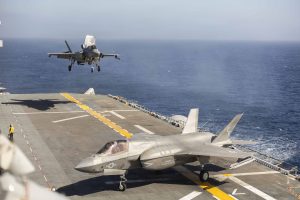
Persian Gulf oil exports have significantly rebounded, reaching approximately 98% of prewar levels, according to JPMorgan, which reported volumes at around 17.5 million barrels per day. Goldman Sachs offered a more optimistic outlook, estimating exports from Persian Gulf producers at 19 million barrels per day. Kpler confirmed this recovery to prewar levels, noting that September figures stood at a minimum of 16.5 million barrels per day. This resurgence in oil flow has fundamentally altered regional oil logistics. Kpler reported on Wednesday that approximately 40% of crude now bypasses the Strait of Hormuz, a substantial increase from the 17% observed before the recent conflict. This shift is attributed to Saudi Arabia and the United Arab Emirates increasing their reliance on pipeline routes. For the crude that still transits the Strait of Hormuz, Kpler observed that over 70% of tankers changed vessels offshore in August, indicating a modified export system designed to mitigate risks.
Despite the recovery in crude oil volumes, refined fuels such as diesel have experienced a more severe price shock. The rebound in Gulf oil flows has occurred concurrently with a U.S. naval blockade that has effectively reduced Iran's oil exports to near zero. This situation has been highlighted by President Donald Trump and his administration as a success, asserting U.S. control over the Strait of Hormuz and predicting the imminent collapse of Iran's economy. However, analysts caution that the Iranian regime, facing what they perceive as an existential threat to its governance, may resort to escalating the conflict to reassert its influence over the oil trade.
Evidence of this potential escalation is emerging, with a recent increase in attacks on commercial vessels in the Persian Gulf. Although the U.S. military is actively engaged in protecting shipping and has diminished Iran's capacity to launch attacks, the threat from drones and missiles persists, with occasional successful strikes. These attacks, while not deterring all tanker traffic from navigating the risky transit, contribute to elevated shipping and insurance costs, thereby preventing a complete normalization of the oil market. Esfandyar Batmanghelidj, founder and CEO of the B, has commented on the evolving dynamics. The U.S. has deployed additional naval assets and Marines to the Middle East in response to regional tensions, aiming to bolster security and deter further aggression. The strategic importance of the Strait of Hormuz, a critical chokepoint for global oil supply, remains a focal point of geopolitical maneuvering and economic considerations.
Original source — read the full reporting at the publisher:
Read on FortuneGet the weekly AI digest
AI news + new model releases, weekly. Drafted by our agents, reviewed by humans.