Japan Boosts Coal Use Amid LNG Supply Choke
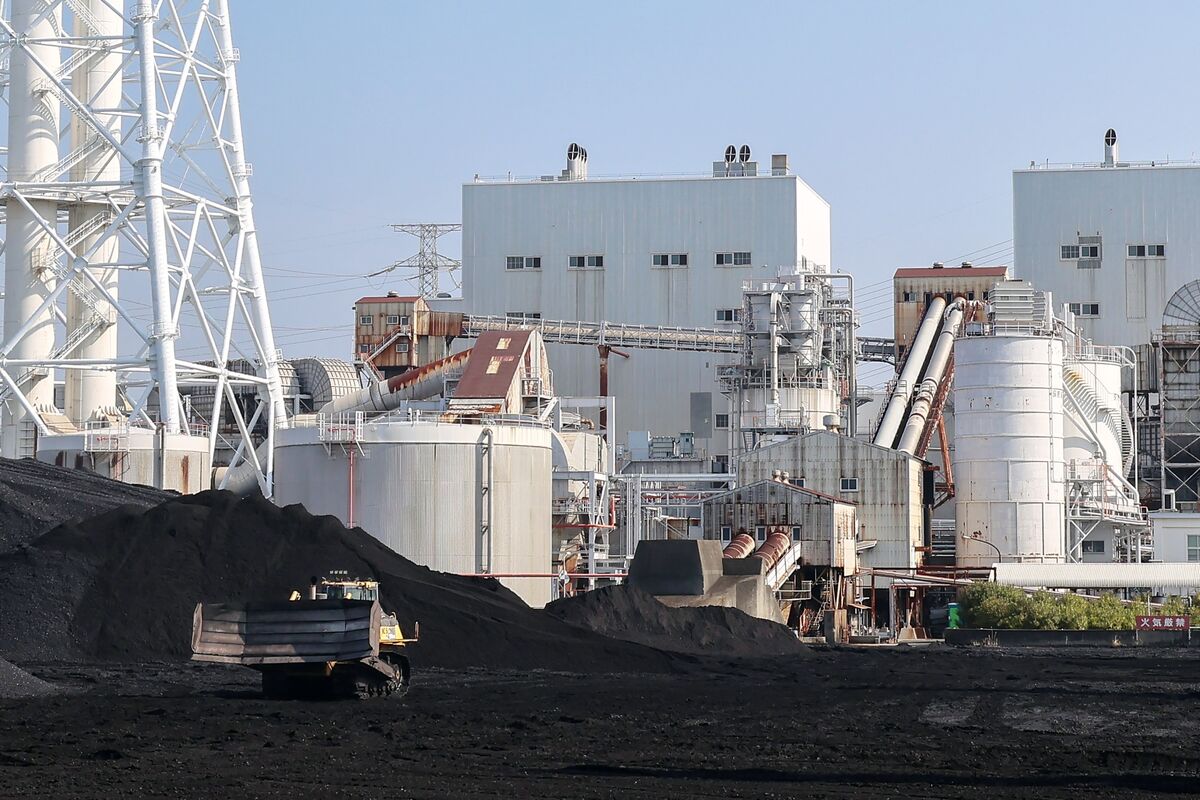
Japan significantly decreased its reliance on natural gas for power generation in March, opting instead to increase coal consumption. This shift occurred as disruptions in the Strait of Hormuz led to tighter supplies of liquefied natural gas (LNG), a key fuel for the nation's power sector. The move highlights the vulnerability of Japan's energy security to geopolitical events impacting crucial shipping lanes.
Data released by the Ministry of Economy, Trade and Industry (METI) indicated that gas-fired power generation accounted for 27.5% of the total electricity supply in March, down from 32.1% in February. Conversely, coal-fired power generation rose to 35.2% in March, an increase from 31.8% the previous month. Nuclear power generation also saw a slight increase, contributing 3.7% compared to 3.2% in February, while renewable energy sources maintained their share.
The Strait of Hormuz is a critical chokepoint for global energy trade, particularly for LNG shipments destined for East Asian markets, including Japan. Tensions in the region have previously led to volatility in LNG prices and supply concerns. Japan, heavily dependent on imported energy, is particularly sensitive to such disruptions. The increased use of coal, a more carbon-intensive fuel, raises concerns about the country's climate commitments, although METI stated this was a temporary measure to ensure stable energy supply.
This energy policy adjustment underscores the ongoing challenges in balancing energy security with environmental goals, especially in the face of international instability. The Japanese government has been investing in diversifying its energy sources and improving energy efficiency, but immediate responses to supply shocks often involve reverting to more readily available, albeit less environmentally friendly, options. The long-term implications for Japan's decarbonization targets will depend on the duration of the Hormuz disruptions and the speed at which alternative LNG supply routes or other energy sources can be secured.
Original source — read the full reporting at the publisher:
Read on Bloomberg Markets