Copper Climbs With Industrial Metals as Rate-Hike Prospects Fade
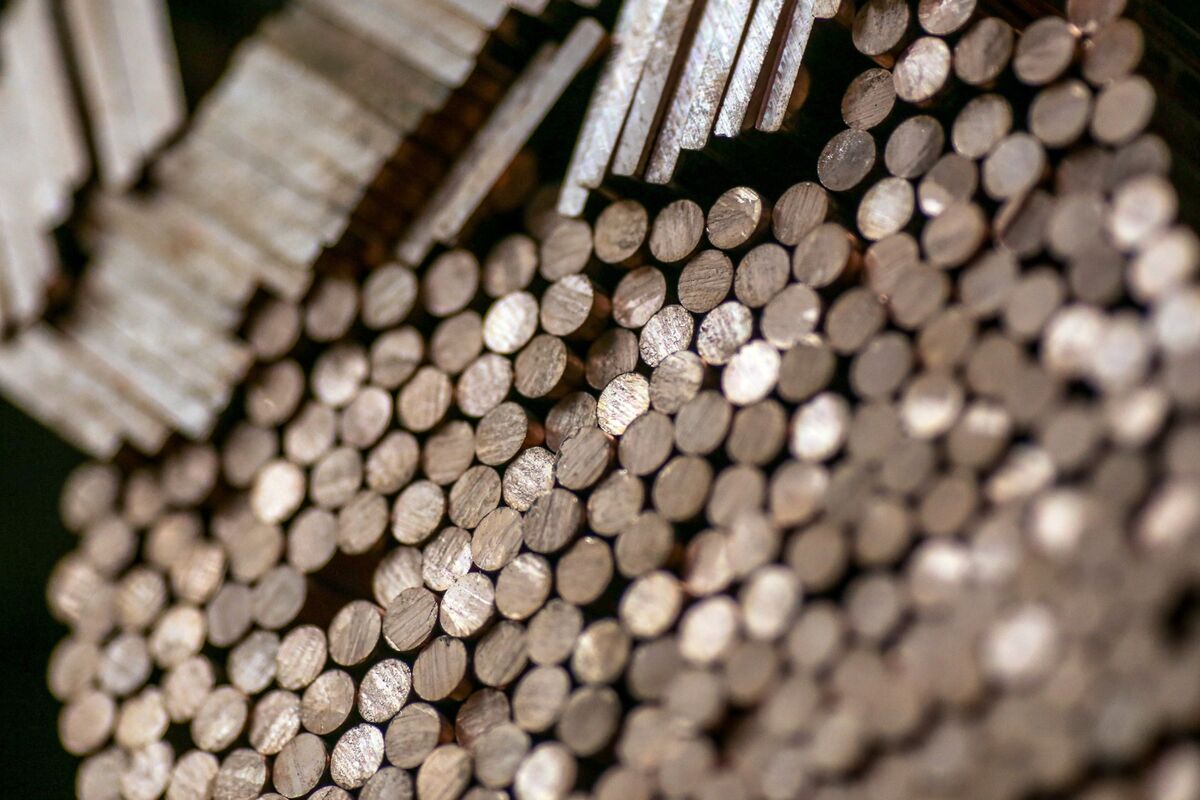
Copper prices increased alongside other industrial metals this week, driven by a combination of a weakening US dollar and diminished prospects of further interest rate hikes by the Federal Reserve. The shift in market sentiment suggests that investors are anticipating a pause or even a potential decrease in interest rates, which typically stimulates demand for commodities like copper.
The US dollar's decline against major currencies provided a tailwind for dollar-denominated assets, including metals. A weaker dollar makes these commodities cheaper for holders of other currencies, thereby boosting demand. Concurrently, the market's reassessment of the Federal Reserve's monetary policy stance has played a significant role. Recent economic data, while mixed, has not provided strong enough signals to warrant additional tightening from the central bank, leading traders to price out further rate increases for the foreseeable future.
This development is particularly significant for copper, often considered a bellwether for global economic health due to its widespread use in construction, electronics, and manufacturing. The anticipated easing of monetary policy, or at least the cessation of rate hikes, could signal a more stable economic outlook, which would support increased industrial activity and, consequently, higher demand for copper. The broader industrial metals complex, including aluminum and zinc, also experienced upward price movements, reflecting a similar sentiment across the commodity markets.
Analysts are closely watching upcoming economic indicators, including inflation data and employment figures, to gauge the Federal Reserve's next moves. Any further signs of cooling inflation or a slowdown in the labor market could solidify the expectation that rate hikes are off the table, potentially providing further support for copper and other industrial metals. The interplay between monetary policy expectations, currency movements, and underlying industrial demand will continue to shape price trajectories in the coming weeks.
Original source — read the full reporting at the publisher:
Read on Bloomberg Markets