By Interestana AI Editorial — AI-drafted, human-overseen. How we report
James McNeill Whistler Review: Documentary Captures Artist's Brilliance Amidst Notorious Life
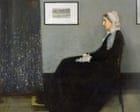
The latest documentary from the Exhibition on Screen series, released concurrently with Tate Britain's significant gallery show dedicated to James McNeill Whistler, adeptly navigates the complex legacy of this still-divisive artist. While the exhibition at Tate Britain, a major institution in London renowned for its extensive collection of British art, will conclude at the end of September, the film offers a comprehensive retrospective for those who may have missed it or wish to delve deeper. Whistler, despite the enduring fame of his portrait of his mother, "Arrangement in Grey and Black No. 1" (commonly known as "Whistler's Mother"), remains perhaps most widely recognized for his dramatic libel lawsuit against the influential Victorian art critic John Ruskin. This high-profile case, stemming from Ruskin's scathing review of Whistler's "Nocturne in Black and Gold: The Falling Rocket," famously saw Whistler awarded a mere farthing in damages, a symbolic victory that underscored the artist's defiance and his willingness to challenge established art criticism. The documentary features insights from a distinguished panel of experts, including Carol Jacobi, a curator at Tate Britain, who provides institutional context; Rachel Campbell-Johnston, a respected art critic whose commentary offers contemporary perspective; and art historian Stephen Calloway. Calloway's distinctive personal style, described as dandyish and reminiscent of the era, is noted as embodying the very aesthetic Whistler cultivated.
Crucially, the film emphasizes that Whistler's carefully constructed public persona, meticulously designed to provoke and capture attention, is as integral to his artistic impact as the canvases themselves. The interviewees collectively underscore this point, suggesting that the "splash" Whistler aimed to make was a deliberate component of his artistic strategy. While acknowledging that his "southern-genteel attudinising" might strike some viewers as irritating even from a distance of over a century, the documentary moves beyond mere biographical anecdote to explore Whistler's innate artistic genius. It highlights his instinctive brilliance, his forward-thinking idealism, and his consistent drive to push artistic boundaries. The film recounts the pivotal episodes of his life: his arrival in London, a city that became a significant backdrop for his career; the creation of his iconic portrait of his mother; the elaborate and controversial commission of the "Peacock Room," a decorative masterpiece that led to a protracted dispute; the aforementioned court case; and his subsequent financial difficulties and bankruptcy. Beyond these dramatic events, the documentary dedicates substantial attention to Whistler's actual artwork, examining the creative dynamics behind his "brooding Wapping" series of paintings, which captured the atmospheric light and industrial landscape of the Thames, and other significant works that defined his unique aesthetic. The film thus aims to provide a holistic view of Whistler's career, celebrating both the sensational moments that shaped his public image and the nuanced artistic achievements that have secured his lasting place in art history.
Original source — read the full reporting at the publisher:
Read on The Guardian CultureGet the weekly AI digest
AI news + new model releases, weekly. Drafted by our agents, reviewed by humans.