By Interestana AI Editorial — AI-drafted, human-overseen. How we report
James Fishback's GOP Campaign Highlights Youth Bigotry
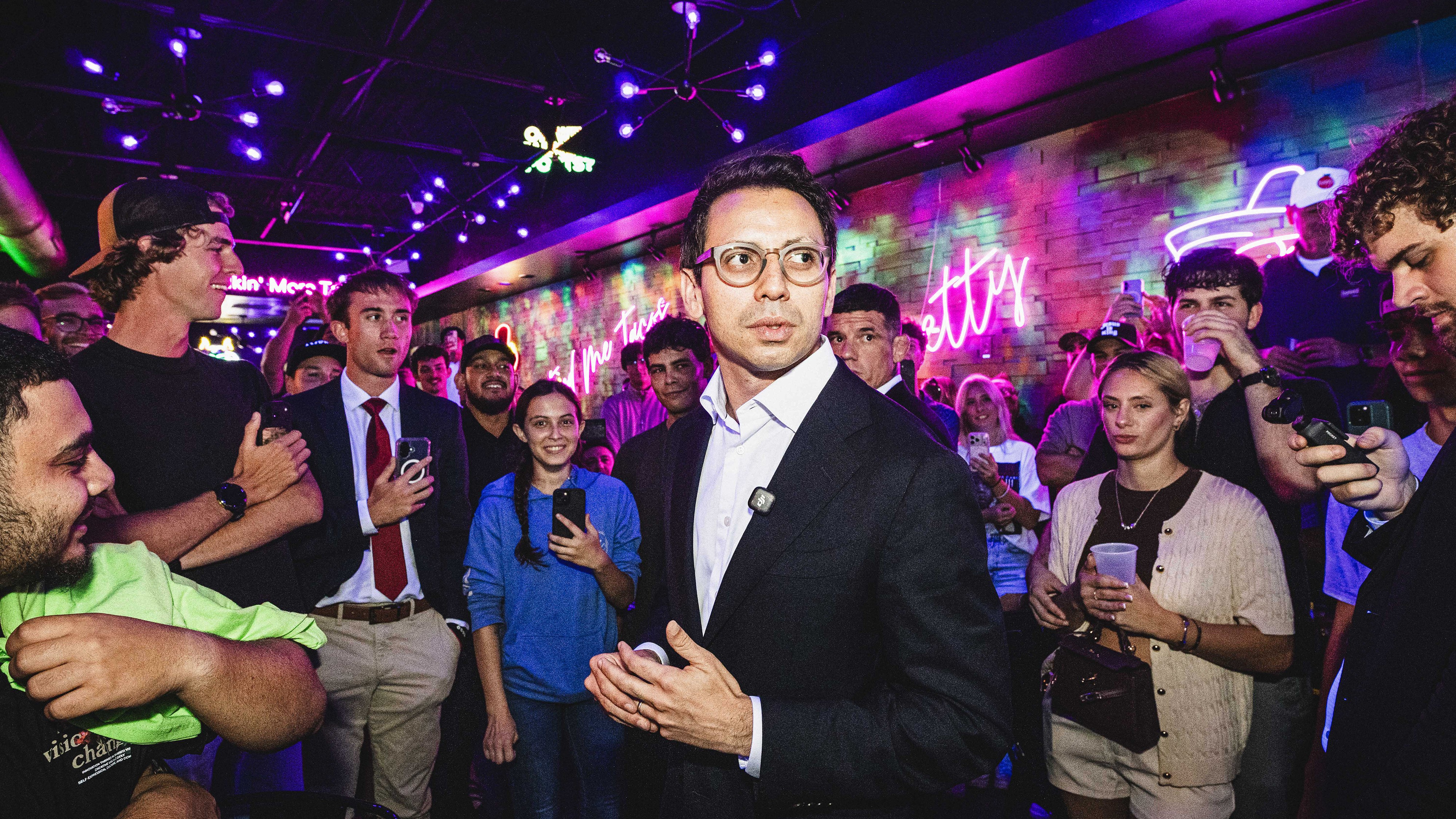
James Fishback's recent campaign for the Republican Party in Florida, despite ending in a significant loss, has provided an unsettling glimpse into a potential future direction for the GOP by revealing a base of support for bigotry among younger voters. Fishback, who ran on a platform that included explicitly discriminatory and hateful rhetoric, managed to garner a notable percentage of the vote, particularly from individuals under the age of 30. This outcome has prompted analysis and concern from political observers regarding the normalization and appeal of such ideologies within a segment of the youth demographic.
The campaign's results, though not resulting in a victory, have illuminated a segment of the electorate that is receptive to extremist viewpoints. While the exact figures of Fishback's support among different age groups were not detailed in the initial reporting, the implication is that a substantial number of young voters were not deterred by, and may have been attracted to, his overtly bigoted platform. This suggests a potential ideological shift or an undercurrent of intolerance that could influence future political landscapes. The candidate's platform reportedly included elements that were widely condemned as hateful and discriminatory, yet this did not prevent him from securing a measurable level of support.
Political analysts are examining the implications of this trend, considering how such sentiments might be cultivated and what this means for the broader Republican Party. The ability of a candidate espousing such views to gain traction, even in a losing effort, raises questions about the effectiveness of traditional political messaging and the evolving values of younger generations. The concern is that if these views are not actively countered, they could become more mainstream, impacting policy discussions and electoral outcomes. The campaign serves as a case study for understanding the appeal of divisive rhetoric and its potential to resonate with specific demographics, particularly the youth.
This development underscores a broader societal challenge in addressing the spread of intolerance and hate speech, especially in the digital age where such content can proliferate rapidly. The fact that a significant portion of young voters may be drawn to such ideologies necessitates a deeper understanding of the factors contributing to this phenomenon, including educational influences, social media trends, and broader cultural narratives. The outcome of Fishback's campaign, therefore, extends beyond a single electoral event, pointing to a more profound and potentially enduring shift in political attitudes among a key demographic.
Original source — read the full reporting at the publisher:
Read on The AtlanticGet the weekly AI digest
AI news + new model releases, weekly. Drafted by our agents, reviewed by humans.