By Interestana AI Editorial — AI-drafted, human-overseen. How we report
Duke of Westminster's Farm Tackles Climate Crisis
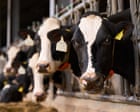
Lea Manor Farm, part of the Duke of Westminster's extensive Grosvenor empire, is actively engaged in confronting the climate crisis through innovative agricultural practices. Located near Chester, this dairy farm, managed under the 349-year-old Grosvenor business, is implementing circular farming techniques and investing in biomethane production. These initiatives are a direct response to mounting global pressures, including severe heatwaves and critical fertilizer shortages that have impacted agricultural sectors worldwide.
The Duke of Westminster, Hugh Grosvenor, inherited his title and significant wealth at a young age, becoming Britain's youngest billionaire a decade ago. His fortune, estimated at nearly £10 billion, is largely derived from a portfolio of prime West End properties in London. However, the Grosvenor group's commitment extends beyond urban real estate, with Lea Manor Farm serving as a focal point for sustainable agricultural development. The farm's efforts are particularly noteworthy given the challenging economic and environmental conditions facing the dairy industry.
Circular farming at Lea Manor Farm involves a closed-loop system designed to minimize waste and maximize resource efficiency. This approach typically includes integrating livestock and crop production, where animal manure is used as fertilizer for crops, and crop by-products are fed back to the animals. This not only reduces the reliance on synthetic fertilizers, which are subject to price volatility and environmental concerns, but also helps to manage waste effectively. The farm's location on the Duke's Eaton Estate in north-west England provides a substantial land base for these integrated operations.
Furthermore, the farm is investing in biomethane production, a process that converts organic waste, such as cow manure, into biogas. This biogas can then be used to generate electricity and heat, or upgraded to biomethane for use as a vehicle fuel or injected into the natural gas grid. This not only provides a renewable energy source but also offers a sustainable method for managing animal waste, reducing methane emissions from manure storage, and creating a valuable by-product. The development of these technologies at Lea Manor Farm signifies a proactive stance by the Grosvenor business in seeking solutions to environmental challenges within its agricultural holdings, aiming to create a more resilient and sustainable farming model.
Original source — read the full reporting at the publisher:
Read on The Guardian EnvironmentGet the weekly AI digest
AI news + new model releases, weekly. Drafted by our agents, reviewed by humans.