By Interestana AI Editorial — AI-drafted, human-overseen. How we report
Cornish River Initiative Tackles Algal Blooms
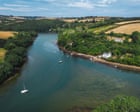
A local initiative in Cornwall is employing an integrated approach involving farmers, fishers, and beavers to mitigate algal blooms in the River Fal, a crucial effort to safeguard some of England's most biodiverse marine habitats. This collaborative project aims to address the unseen pollution that threatens the river's ecosystem. The initiative is testing straightforward methods to halt the proliferation of algae, which can deplete oxygen levels and harm aquatic life. The River Fal, located in Cornwall, is recognized for its significant ecological importance, supporting a rich variety of marine species. The volunteers involved in this project are trained by the Cornwall Wildlife Trust, an organization dedicated to conserving wildlife and natural habitats across Cornwall. These volunteers utilize specialized equipment, including underwater cameras and floating GPS devices, to meticulously monitor and document changes within the marine environment over extended periods. This data collection is vital for understanding the impact of pollution and the effectiveness of the implemented conservation strategies. The initiative's focus on bringing together diverse stakeholders, such as agricultural producers and those involved in fishing, highlights a holistic strategy for environmental management. Farmers can implement practices to reduce nutrient runoff from their land, a primary source of algal bloom fuel. Fishers can contribute insights into the river's health and potentially adopt more sustainable fishing methods. The inclusion of beavers, known for their ecosystem engineering capabilities, represents an innovative ecological intervention. Beavers create wetlands and slow water flow, which can naturally filter pollutants and create more stable habitats. This multi-faceted approach underscores the complexity of riverine ecosystem restoration and the need for coordinated action across different sectors. The project's success in the River Fal could serve as a model for other regions facing similar environmental challenges, demonstrating how community engagement and ecological understanding can lead to tangible improvements in water quality and biodiversity. The volunteers' work, supported by organizations like the Cornwall Wildlife Trust, is essential for gathering the scientific data needed to inform these conservation efforts and ensure the long-term health of the River Fal and its surrounding marine environments. The initiative's commitment to addressing the 'unseen pollution' points to a growing awareness of diffuse pollution sources, such as agricultural and urban runoff, which are often harder to regulate than point-source discharges but have a significant cumulative impact on water bodies.
Original source — read the full reporting at the publisher:
Read on The Guardian EnvironmentGet the weekly AI digest
AI news + new model releases, weekly. Drafted by our agents, reviewed by humans.