By Interestana AI Editorial — AI-drafted, human-overseen. How we report
Documentary Highlights Fight Against Nuclear Waste Dumping
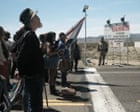
The documentary "To Use a Mountain," directed by Casey Carter, sheds light on the protracted struggle of indigenous communities and farmers in rural America to prevent their lands from becoming sites for nuclear waste disposal. The film focuses on the emotional and physical toll of this resistance, highlighting instances of "environmental violence" where government actions threaten the health and heritage of these communities. Carter's return to interview a Washington state farmer, who was part of a class-action lawsuit against the U.S. government, underscores the enduring impact of radioactive material release from the Hanford nuclear reservation. This site, historically significant as the location of the world's first full-scale plutonium production reactor, has become a focal point for concerns over long-term environmental contamination.
The documentary revisits the complex legacy of nuclear energy, which was initially promoted as a clean and abundant power source, a potential solution to humanity's energy needs and a technological advancement derived from weapons of mass destruction. However, the narrative of nuclear power has been consistently marred by significant challenges, including exorbitant initial construction costs, as noted by IFP.org, and a history of catastrophic accidents. Major incidents at Chernobyl, Three Mile Island, and Fukushima serve as stark reminders of the inherent risks associated with nuclear technology. Despite these events and the persistent issue of managing highly toxic radioactive waste, the industry has often emphasized its purported green credentials, a claim that "To Use a Mountain" implicitly challenges by focusing on the environmental consequences of waste management.
"To Use a Mountain" specifically addresses the ongoing problem of what to do with the vast quantities of hazardous waste generated by nuclear power plants. The film brings to the forefront the human cost of these decisions, illustrating how the stagnation in finding safe and permanent solutions for nuclear waste disproportionately affects rural and indigenous populations. The documentary's focus on the Hanford reservation, a site with a deep and troubling history related to nuclear material production, serves as a case study for the broader national debate on nuclear waste storage. The farmer's continued distress, as depicted in the film, emphasizes the intergenerational impact of environmental contamination and the fight for environmental justice.
The film's avant-garde approach aims to capture the profound pain and eventual triumph experienced by those who have actively resisted government initiatives to designate their ancestral lands as disposal grounds for nuclear byproducts. This resistance is framed not merely as a political or environmental protest, but as a fight for survival and the preservation of cultural identity against what is termed "environmental violence." The documentary seeks to amplify the voices of those on the front lines, advocating for responsible energy policies that do not sacrifice the health and integrity of communities and their environments for the sake of technological progress or perceived economic benefits. The ongoing legal battles and community organizing highlighted in "To Use a Mountain" represent a critical aspect of the broader conversation surrounding nuclear energy's future and its true environmental footprint.
Original source — read the full reporting at the publisher:
Read on The Guardian EnvironmentGet the weekly AI digest
AI news + new model releases, weekly. Drafted by our agents, reviewed by humans.