Founders' Role in US Origin Story Questioned
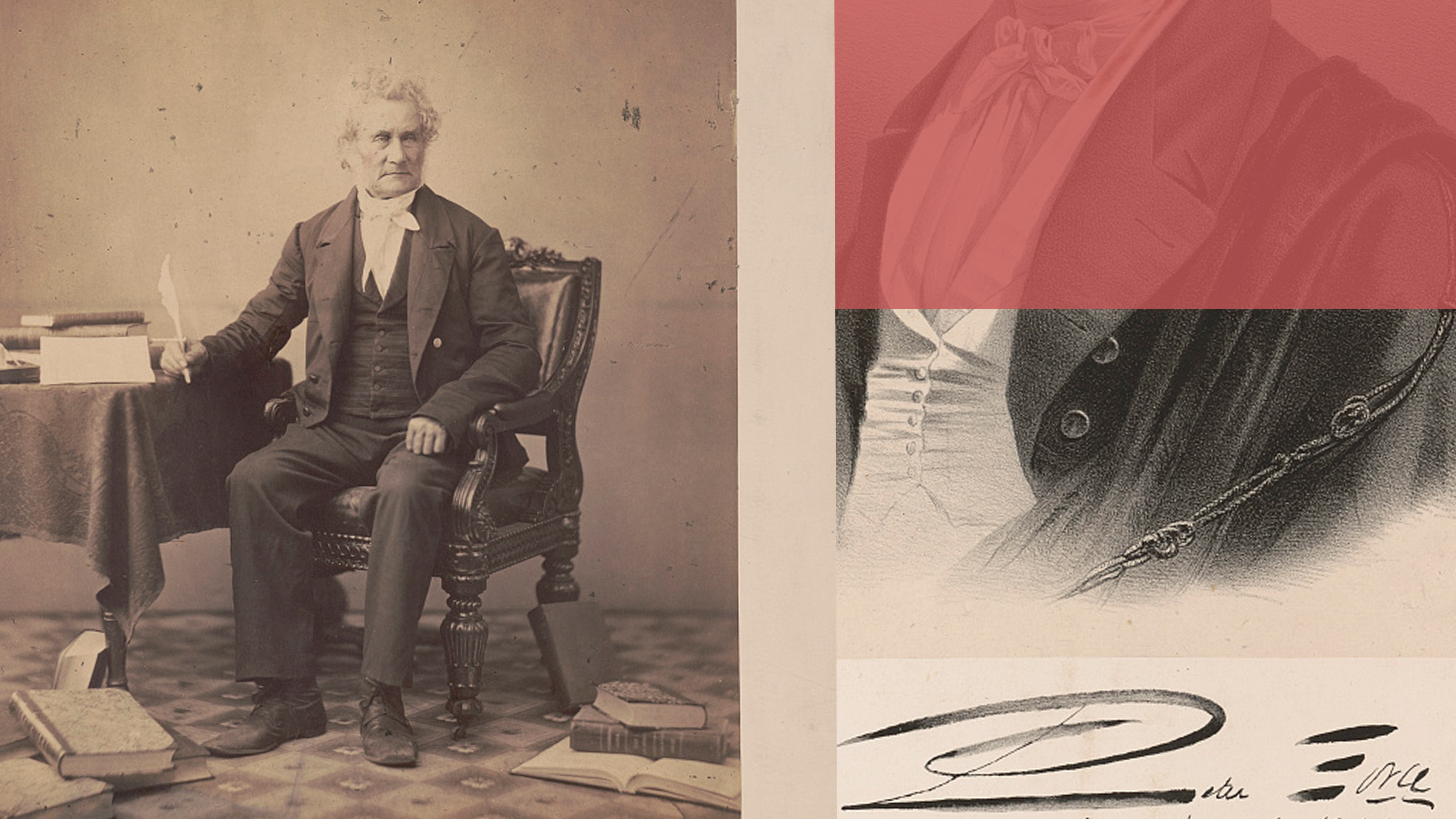
The widely accepted narrative of America's origin story frequently omits key individuals whose contributions were pivotal to the nation's establishment. This conventional telling often centers on a select group of founders, inadvertently marginalizing other significant figures who played crucial roles in shaping the early United States. The re-examination suggests that a more comprehensive understanding of this historical period requires acknowledging the broader spectrum of individuals involved.
These overlooked heroes, according to the revised perspective, were instrumental in various aspects of the nation's formation, from political organization and military leadership to social reform and economic development. Their actions and ideas, though not always prominently featured in popular accounts, were essential in navigating the challenges of the revolutionary era and the subsequent years of nation-building. The omission of their stories presents an incomplete picture of the collective effort that led to the creation of the United States.
The conventional historical accounts, often perpetuated through textbooks and popular media, tend to simplify complex historical processes by focusing on a few prominent personalities. This simplification, while making the story more accessible, can lead to a skewed perception of how historical events unfolded and who was responsible for them. The argument is that a more nuanced approach is necessary to capture the full scope of historical agency and impact.
By bringing these lesser-known figures into the foreground, historians and educators aim to provide a more accurate and inclusive representation of American history. This approach not only honors the contributions of a wider range of individuals but also offers a richer, more complex understanding of the forces that shaped the nation. The ongoing re-evaluation of historical narratives seeks to ensure that the full tapestry of American origins is recognized and appreciated.
Original source — read the full reporting at the publisher:
Read on The Atlantic