The Shifting Meanings of the Word Equal
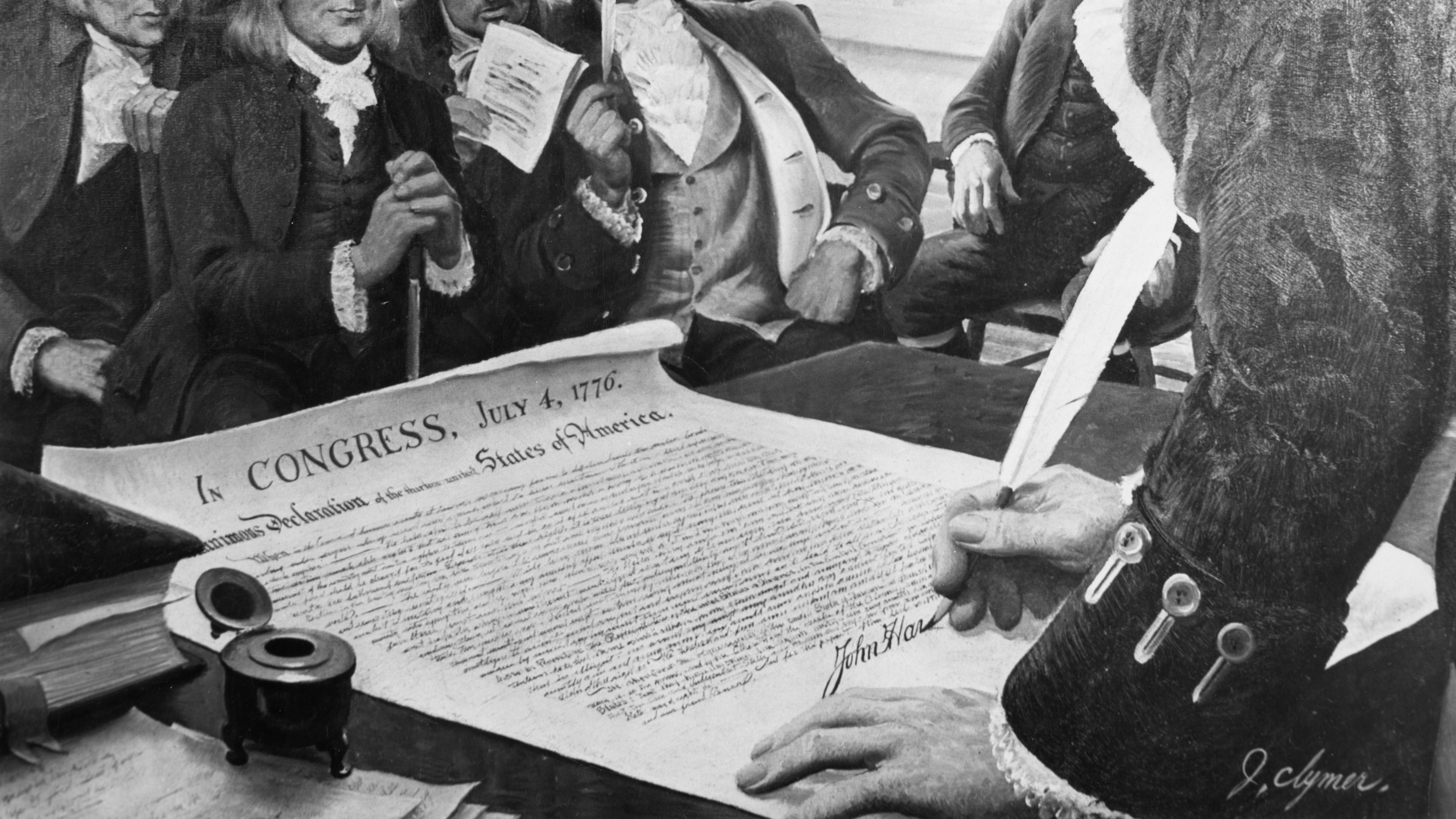
The word 'equal' possesses a rich and multifaceted history, its meaning shifting significantly across different eras and contexts. Its enduring presence in language stems from the expansive nature of the concept it represents, touching upon ideas of sameness, fairness, and equivalence. The term's etymology traces back to Latin roots, signifying a direct comparison or balance.
Throughout history, the interpretation of 'equal' has been deeply intertwined with societal structures and philosophical discourse. In ancient societies, equality often referred to a more literal or numerical sameness, particularly in legal or economic contexts. However, as philosophical thought evolved, particularly during the Enlightenment, the concept began to encompass more abstract notions of inherent worth and rights, moving beyond mere numerical equivalence to address social and political dimensions.
The evolution of 'equal' reflects ongoing debates about justice, rights, and the distribution of resources. Its adaptability has allowed it to be applied to diverse fields, from mathematics and science to ethics and politics. The word's capacity to encompass both strict equivalence and a broader sense of fairness has contributed to its persistent relevance in discussions about human relationships and societal organization.
Ultimately, the word 'equal' serves as a linguistic marker for a concept that continues to be redefined and contested. Its history is a testament to the dynamic nature of human understanding regarding fairness, justice, and the fundamental relationships between individuals and groups within society.
Original source — read the full reporting at the publisher:
Read on The Atlantic