By Interestana AI Editorial — AI-drafted, human-overseen. How we report
US Inflation Eased to 3.4% in July Amidst Energy Price Concerns
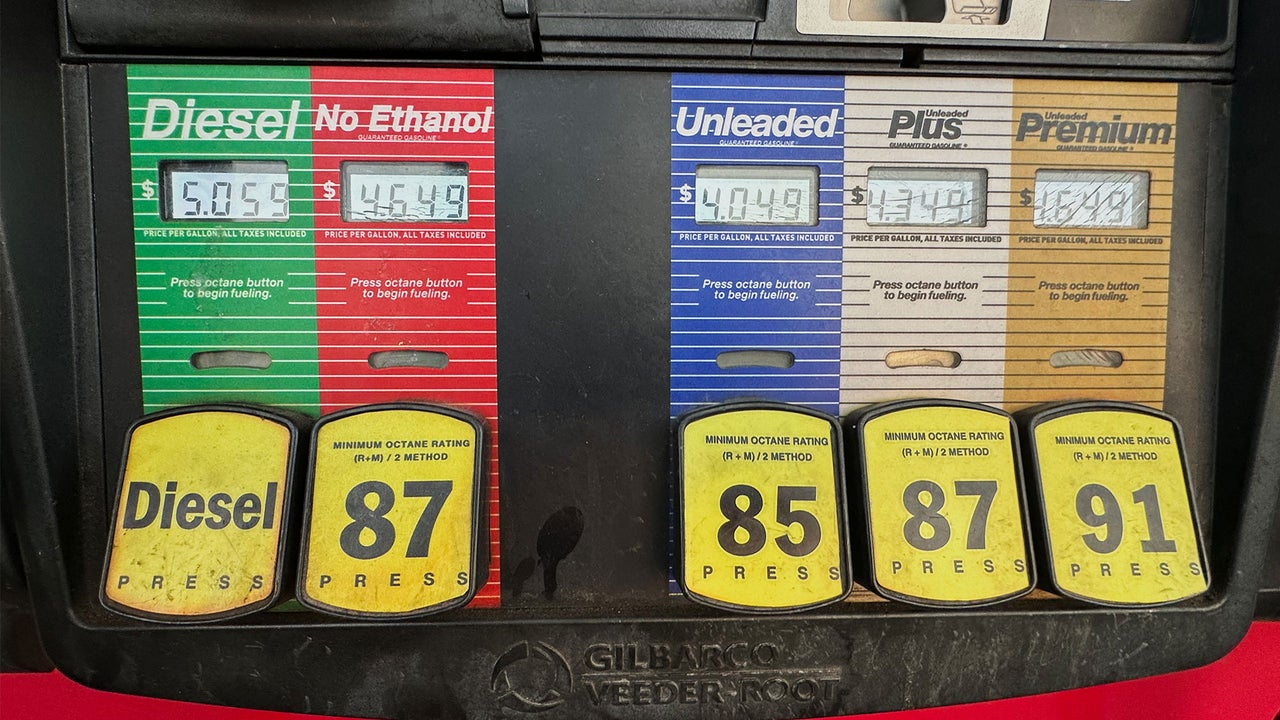
U.S. inflation experienced a slight decrease in July, with the Consumer Price Index (CPI) rising 3.4% year-over-year, down from 3.5% in June, according to data released by the Labor Department on Wednesday. This slowdown suggests that elevated oil and gas prices, influenced by the Iran war that began in February, have had a limited effect on broader economic costs. Prior to the conflict, in February, inflation stood at 2.4%. On a monthly basis, prices saw a modest increase of 0.1% from June to July. This deceleration in inflation could potentially reduce the pressure on the Federal Reserve to implement further interest rate hikes aimed at curbing rising costs. However, the current rate of price increases still outpaces wage growth, contributing to financial strain for many Americans concerning groceries, gasoline, and healthcare expenses, issues that have become prominent in the context of the approaching midterm elections.
Excluding the volatile food and energy sectors, core inflation, a key indicator of underlying price pressures, also declined. In July, core inflation registered 2.5% year-over-year, a decrease from 2.6% in June. This July figure matches the post-pandemic low observed in January and February, before the onset of the Iran war. Monthly core price increases were 0.2% from June to July. Economists suggest that sustained monthly increases around 0.2% would be conducive to bringing inflation closer to the Federal Reserve's target of 2% over time. Despite these positive signs, oil prices have remained high, and gasoline prices saw an increase in late July and August. This trend indicates a potential acceleration in overall inflation in the upcoming month. Data from the motor club AAA shows that the national average for gasoline reached $4.04 per gallon on Wednesday, marking a 16-cent increase from the previous month.
Inflation has been influenced by a confluence of economic shocks. These include tariffs imposed by the Trump administration in the spring, higher gas prices linked to the Iran war, and a significant surge in investment in artificial intelligence infrastructure, which has subsequently driven up the prices of computer chips. The critical question for inflation control efforts by the Federal Reserve, as well as for consumers grappling with high costs for gas and groceries, is the pace at which these temporary price shocks will dissipate or if they will trigger more persistent inflationary pressures. The Federal Reserve's monetary policy decisions are closely watched in light of these evolving economic conditions.
Original source — read the full reporting at the publisher:
Read on Fast CompanyGet the weekly AI digest
AI news + new model releases, weekly. Drafted by our agents, reviewed by humans.