By Interestana AI Editorial — AI-drafted, human-overseen. How we report
India Plans Strategic Fuel Reserves After Iran War
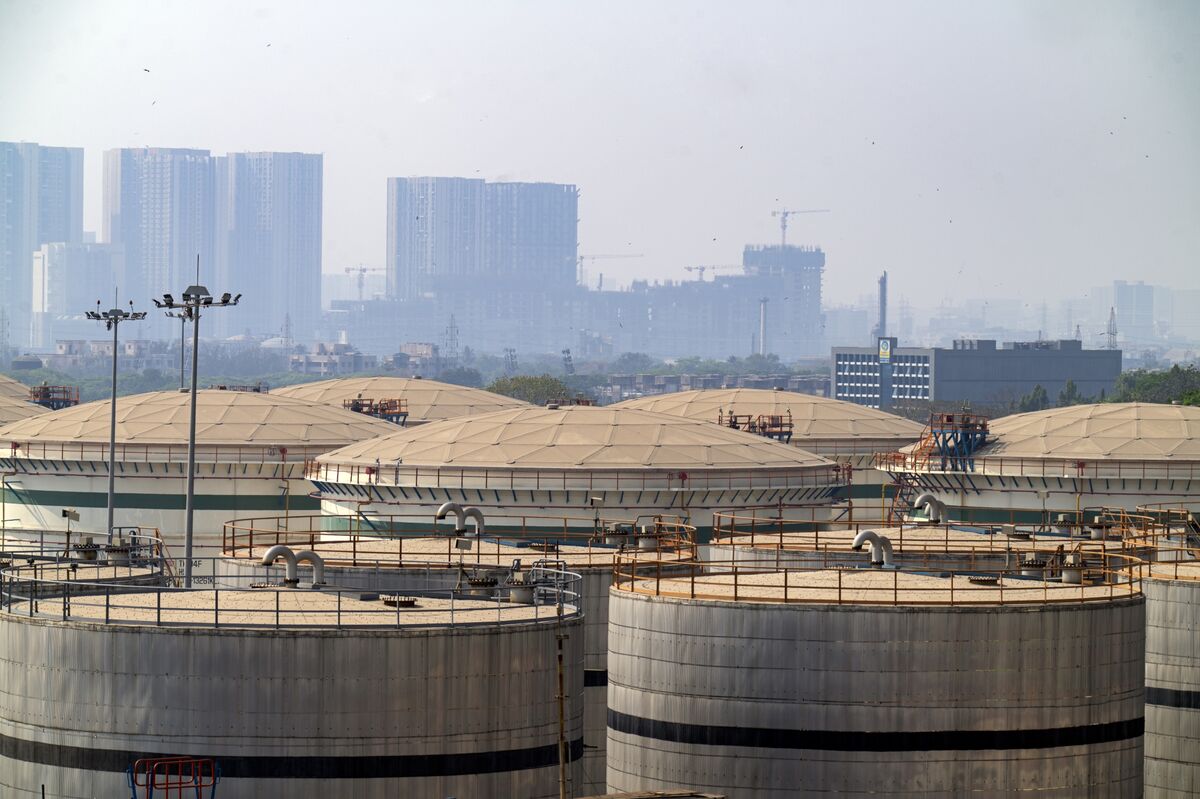
India plans to establish substantial strategic reserves of crude oil, liquefied petroleum gas (LPG), and liquefied natural gas (LNG), aiming to secure enough supply to meet as much as a month of domestic demand. This initiative is a direct response to the supply chain disruptions and price volatility experienced following the recent conflict in the Persian Gulf, often referred to as the Iran war.
The government's objective is to create a buffer that can insulate the Indian economy from future geopolitical events and supply shocks originating from major oil-producing regions. The proposed reserves are intended to provide a cushion against sudden price spikes and ensure uninterrupted availability of essential fuels for industries and consumers. The scale of the planned reserves suggests a significant investment in infrastructure, including storage facilities, to accommodate the large volumes of these commodities.
This strategic move underscores India's vulnerability to global energy market fluctuations and its commitment to enhancing energy security. By diversifying its approach to fuel supply management, India seeks to reduce its reliance on immediate imports during times of crisis. The development of these reserves is expected to involve collaboration between government agencies and public sector undertakings in the energy sector, potentially including Indian Oil Corporation, Bharat Petroleum Corporation, and Hindustan Petroleum Corporation.
The decision reflects a broader trend among energy-importing nations to bolster their strategic reserves as a safeguard against geopolitical instability and potential disruptions to global energy flows. The specifics of the reserve capacity, the timeline for development, and the financing mechanisms are expected to be detailed in upcoming policy announcements from the Ministry of Petroleum and Natural Gas.
Original source — read the full reporting at the publisher:
Read on Bloomberg MarketsGet the weekly AI digest
AI news + new model releases, weekly. Drafted by our agents, reviewed by humans.