By Interestana AI Editorial — AI-drafted, human-overseen. How we report
Yen Hits Lowest Level Against Dollar Since 1986
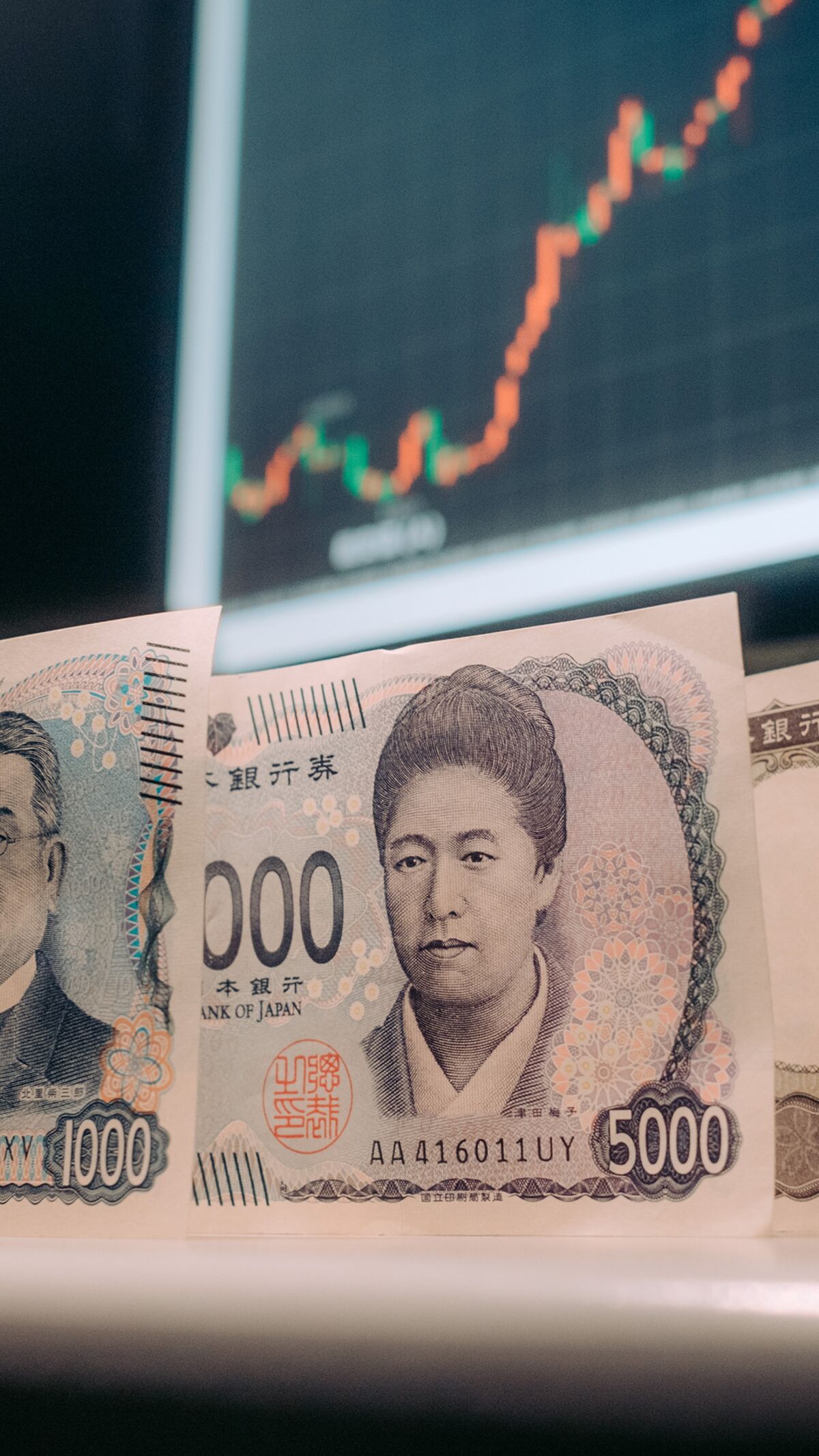
The Japanese yen reached its lowest point against the US dollar in 38 years this week, marking a significant decline for the currency. Despite efforts by the Japanese government to support the yen, including raising interest rates and spending billions of dollars on currency intervention, the downward trend has persisted. This sustained weakness is attributed to a widening interest rate differential between Japan and the United States, where the Federal Reserve has maintained higher rates to combat inflation.
Japan's monetary policy has historically favored low interest rates to stimulate economic growth. However, the Bank of Japan recently ended its negative interest rate policy, signaling a shift towards normalization. This move, intended to bolster the yen, has not been sufficient to counteract the strong demand for the dollar, driven by higher yields in the US market. The divergence in monetary policy stances between the two central banks is a primary driver of the yen's depreciation.
Furthermore, the Japanese economy faces structural challenges, including an aging population and stagnant wage growth, which contribute to the currency's vulnerability. While the government has expressed concerns about the rapid depreciation and its impact on import costs and household budgets, the market appears to be prioritizing the interest rate differential. The ongoing slide of the yen raises concerns about imported inflation and the potential for further economic adjustments within Japan.
Original source — read the full reporting at the publisher:
Read on Bloomberg MarketsGet the weekly AI digest
AI news + new model releases, weekly. Drafted by our agents, reviewed by humans.