By Interestana AI Editorial — AI-drafted, human-overseen. How we report
ECB Officials Cautious on Inflation Despite Iran Conflict Easing
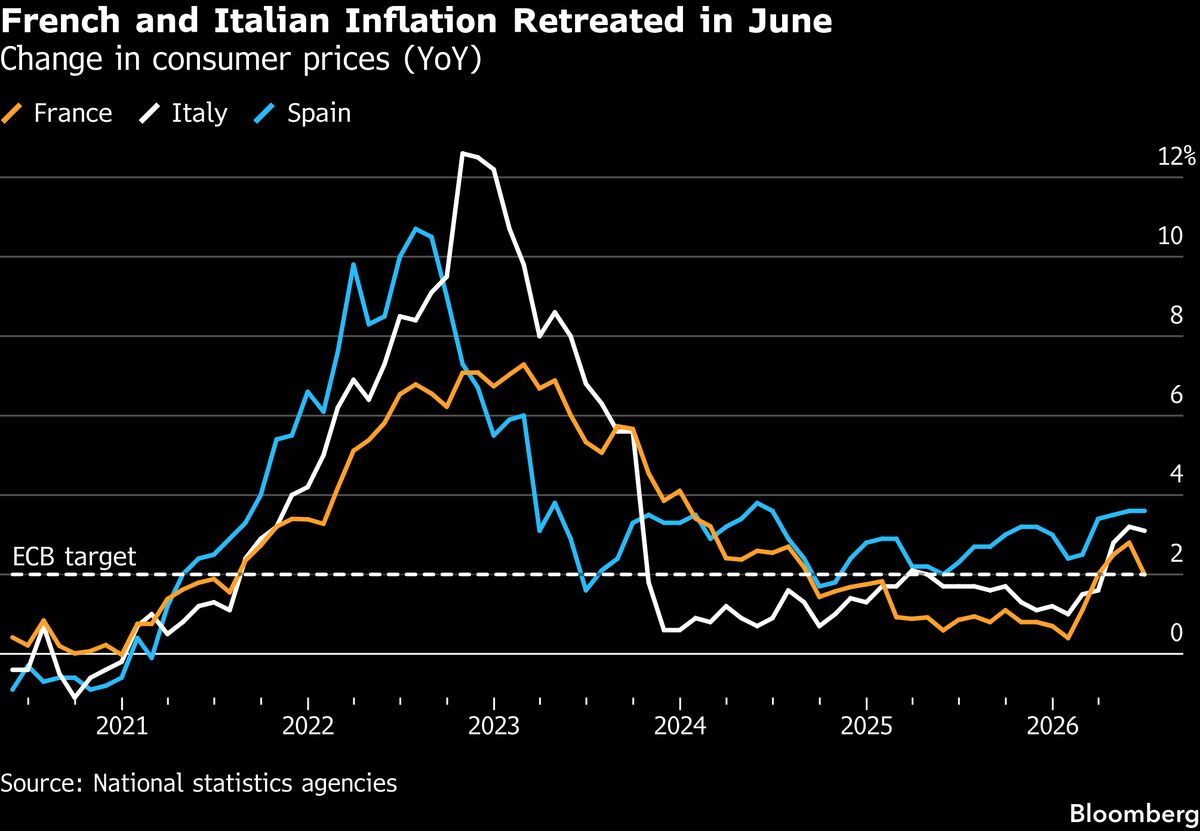
European Central Bank (ECB) officials have signaled that they are maintaining a cautious stance on inflation, despite a de-escalation in hostilities related to the Iran conflict. Governing Council member Philip Lane, who is also the ECB's chief economist, indicated a shift in focus towards monitoring the "price pipeline" for potential future inflationary pressures. This suggests that while immediate shocks may be subsiding, the central bank is looking ahead to how these events might impact future price stability.
Lane's comments, made in an interview with The Wall Street Journal this week, underscore the ECB's commitment to its price stability mandate. The central bank has been grappling with elevated inflation across the Eurozone, and any new shocks, even indirect ones like geopolitical tensions, require careful assessment. The "price pipeline" refers to the transmission of costs and price changes through different stages of the economy, from raw materials to final consumer goods and services. Monitoring this pipeline is crucial for anticipating future inflation trends.
While the direct impact of the Iran conflict on energy prices and supply chains may be lessening, officials are wary of secondary effects. These could include renewed supply chain disruptions, changes in commodity markets beyond oil, or shifts in business and consumer confidence that could influence spending and pricing decisions. The ECB's monetary policy decisions, particularly regarding interest rates, will continue to be data-dependent, with a close eye on incoming inflation figures and the signals from the price pipeline.
The Governing Council has previously emphasized that it will not be swayed by short-term fluctuations and remains committed to bringing inflation back to its 2% target over the medium term. The current stance suggests that any premature easing of vigilance could jeopardize these efforts. Therefore, despite the apparent reduction in immediate conflict-related risks, the ECB's approach remains one of watchful waiting and diligent analysis of economic indicators.
Original source — read the full reporting at the publisher:
Read on Bloomberg MarketsGet the weekly AI digest
AI news + new model releases, weekly. Drafted by our agents, reviewed by humans.