By Interestana AI Editorial — AI-drafted, human-overseen. How we report
Yen Weakens to 4-Decade Low, Traders Watch for Intervention
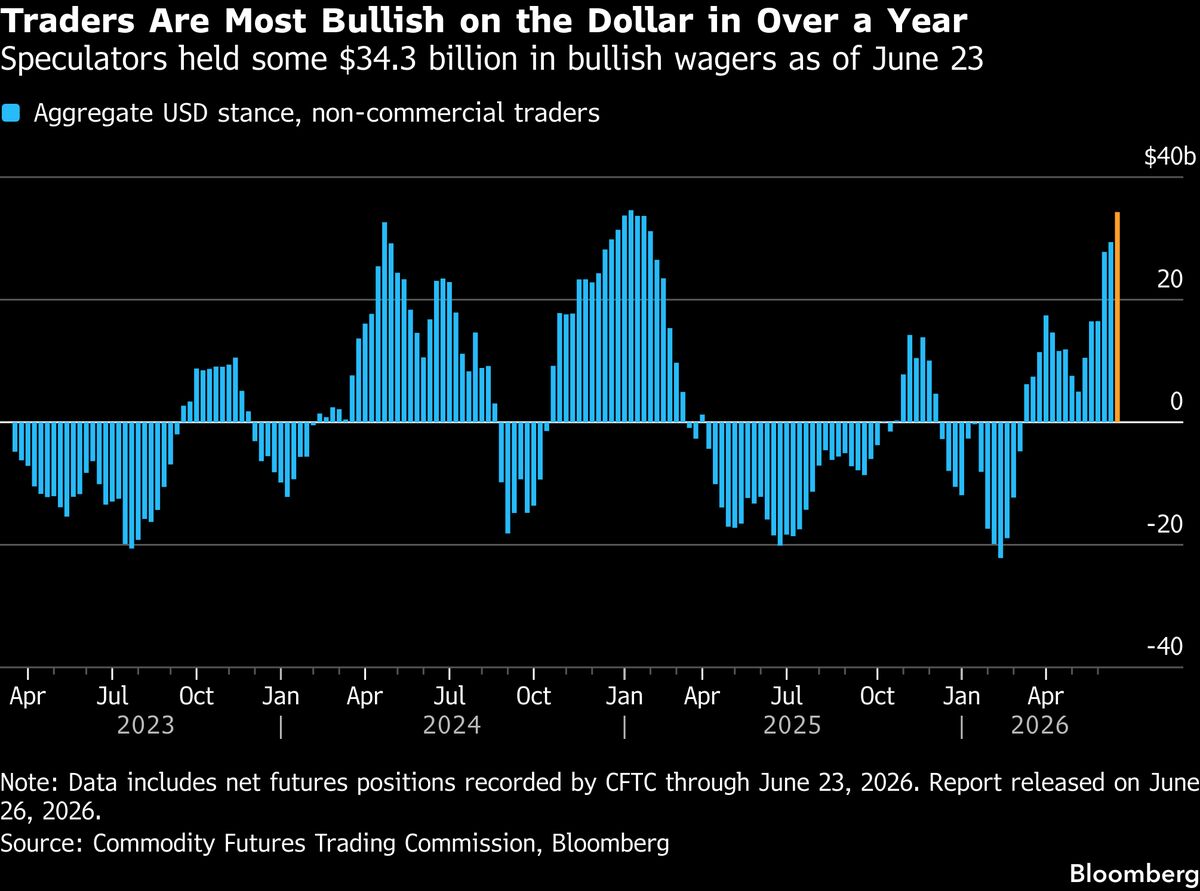
The Japanese yen has reached its weakest point against the US dollar in approximately four decades, prompting market observers and traders to closely monitor for signs of potential intervention by Japanese authorities. This significant depreciation has intensified speculation about when and how the Japanese government might act to support the currency.
Historically, Japanese officials have intervened in currency markets when the yen's decline is perceived as too rapid or disruptive to the economy. Such interventions typically involve the Ministry of Finance, in coordination with the Bank of Japan, selling dollars and buying yen. The exact level at which authorities might intervene, often referred to as a "red line," is not publicly disclosed but is closely watched by market participants. The current slide suggests that this line may be approaching.
The yen's weakness has been driven by a widening interest rate differential between Japan and other major economies, particularly the United States. The Bank of Japan has maintained a dovish monetary policy, including negative interest rates, while the US Federal Reserve has been raising rates to combat inflation. This divergence makes dollar-denominated assets more attractive to investors, increasing demand for dollars and putting downward pressure on the yen.
A weaker yen can boost Japanese exports by making them cheaper for foreign buyers, but it also increases the cost of imports, including energy and raw materials, which can contribute to inflation. The government and the Bank of Japan have expressed concerns about excessive currency volatility, indicating a readiness to take appropriate action if necessary. The market's focus now shifts to identifying the specific triggers or levels that would prompt official intervention to stabilize the yen.
Original source — read the full reporting at the publisher:
Read on Bloomberg MarketsGet the weekly AI digest
AI news + new model releases, weekly. Drafted by our agents, reviewed by humans.