By Interestana AI Editorial — AI-drafted, human-overseen. How we report
Author Explores Health-Maxxing Trend With At-Home Diagnostic Tests
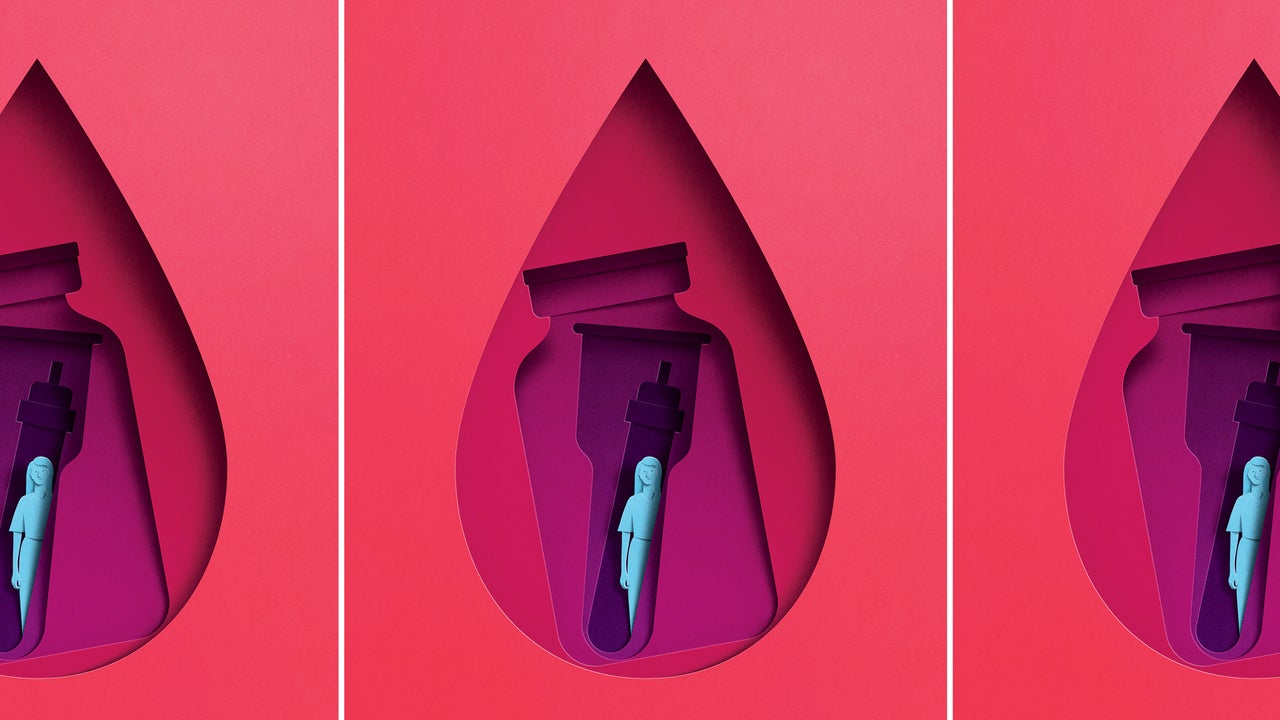
In June, the author embarked on an extensive series of at-home health diagnostic tests, a practice often referred to as "health-maxxing." This trend involves individuals paying hundreds of dollars for detailed data beyond standard medical check-ups, encompassing metrics like biological age, gut microbiome composition, and cortisol levels. The author's experience highlights the logistical challenges and potential stress induced by these self-administered tests. Collection kits and instruction booklets cluttered their workspace as they attempted to gather samples, including cheek swabs for biological age, multiple stool samples for microbiome analysis, and saliva for cortisol measurement. The process proved time-consuming and, ironically, stressful, potentially impacting the accuracy of stress-related tests like cortisol. The author noted the difficulty in generating sufficient saliva, even when attempting to visualize appealing foods, and struggled to collect enough blood from a finger prick for a paper collection card. This contrasts sharply with the convenience of visiting a doctor's office for similar diagnostics. The motivation behind these tests stems from a growing curiosity about one's health biomarkers and a desire for optimization, fueled by information encountered on social media and podcasts. While acknowledging their general health, the author felt compelled to seek definitive confirmation of normal biomarker readings. The allure of joining the "optimized elite" by understanding intricate biological functions such as mitochondrial function and gut diversity is a significant driver for participants in this health-maxxing movement. These advanced diagnostics go beyond the capabilities of consumer wearables like Oura Rings and Apple Watches, which typically track more basic biomarkers. The author's initial foray into this world began the previous year, suggesting a sustained interest in and exposure to the health-optimization industry. The narrative questions the ultimate benefit and practicality of such rigorous self-monitoring, particularly when the process itself introduces significant stress and inconvenience, potentially undermining the very health outcomes being sought. The author's journey illustrates a broader societal interest in leveraging technology and data for enhanced personal well-being, but also raises critical questions about the accessibility, necessity, and psychological impact of hyper-focused health monitoring.
Original source — read the full reporting at the publisher:
Read on Fast CompanyGet the weekly AI digest
AI news + new model releases, weekly. Drafted by our agents, reviewed by humans.