By Interestana AI Editorial — AI-drafted, human-overseen. How we report
Young Mothers Recount Nepal Flood Trauma
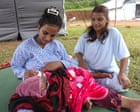
Kalpana Nepali, seven months pregnant, and Pooja Pariyal, with her three-month-old daughter Ridhika, have recounted their harrowing experiences during the catastrophic flash floods that devastated Nepal's Himalayan border region with Tibet in August. These events, described as a "living hell" by survivors, have left many displaced and living in precarious temporary shelters.
Pooja Pariyal spent three days stranded on the roof of Trishuli hospital with her infant daughter, Ridhika. Below them, her town had been largely destroyed by the flash floods, transforming the landscape into a "sea of mud." During her ordeal, Pariyal faced extreme hardship, including a lack of food, functional sanitation, and assistance for her baby. She reported a reduction in her milk supply due to hunger, leading to her infant's distress. The floods occurred in August, impacting the Himalayan border region of Nepal and Tibet, with the Guardian providing a visual guide to the causes and reasons behind these devastating inundations.
Kalpana Nepali's experience, while not detailed in terms of specific duration of peril, occurred when she was seven months pregnant, highlighting the particular vulnerability of expectant mothers during such natural disasters. The aftermath for both women involves living in temporary shelters, indicating the ongoing displacement and lack of permanent housing following the widespread destruction. The trauma experienced by these young mothers underscores the severe human cost of the floods, particularly for women and children, as noted in a related Guardian article on the trauma faced by mothers and children in the wake of the Nepal flash floods.
The catastrophic flash floods in August caused widespread destruction in the Himalayan border region. The events have led to significant displacement, forcing survivors like Kalpana Nepali and Pooja Pariyal to seek refuge in temporary accommodations. The long-term impact on these communities, especially on vulnerable populations such as pregnant women and young children, is profound, with the psychological and physical toll continuing long after the initial disaster. The article highlights the immediate survival struggles and the ongoing challenges of recovery and rebuilding in the affected areas.
Original source — read the full reporting at the publisher:
Read on The Guardian EnvironmentGet the weekly AI digest
AI news + new model releases, weekly. Drafted by our agents, reviewed by humans.