By Interestana AI Editorial — AI-drafted, human-overseen. How we report
NSW Approves Largest Coal Project, Dubbed 'Infamous Betrayal'
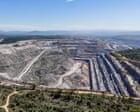
The Independent Planning Commission (IPC) in New South Wales has approved the largest coalmine project in its history, permitting operations to continue until 2045 at the Hunter Valley Operations Continuation Project. This decision has been met with strong criticism from climate groups, who have labelled the project a "carbon bomb" and described the approval as an "infamous betrayal." The IPC stated that the projected climate change impacts from the Hunter Valley project would be "outweighed" by its economic benefits. The assessment process for this project was contentious, involving extensive input from climate and environment groups, unions, state authorities, and over 10,000 public submissions. The Hunter Valley Operations Continuation Project involves the expansion and continued operation of existing coal mining facilities in the region. The IPC's role is to provide independent planning advice and make decisions on major infrastructure and development projects in New South Wales, balancing economic, social, and environmental considerations. The commission's decision to approve the project, despite significant environmental concerns raised by various stakeholders, highlights the ongoing tension between economic development reliant on fossil fuels and global efforts to mitigate climate change. Critics argue that approving new or extended coal mining operations directly contradicts Australia's commitments to reducing greenhouse gas emissions and transitioning to cleaner energy sources. The approval comes at a time when international pressure is mounting on countries to phase out coal power and investment in fossil fuel projects. The economic benefits cited by the IPC likely refer to job creation, royalties, and regional economic activity associated with the mine's operation. However, environmental advocates contend that these short-term economic gains are overshadowed by the long-term costs associated with climate change, including extreme weather events, sea-level rise, and biodiversity loss. The decision is expected to face further scrutiny and potential legal challenges from environmental organisations. The IPC's justification, that economic benefits outweigh climate impacts, sets a precedent for future major project approvals in the state and underscores the complex policy challenges governments face in balancing energy security, economic growth, and environmental sustainability. The continued operation of such a large coal project until 2045 raises significant questions about New South Wales' and Australia's progress towards their climate targets.
Original source — read the full reporting at the publisher:
Read on The Guardian WorldGet the weekly AI digest
AI news + new model releases, weekly. Drafted by our agents, reviewed by humans.