By Interestana AI Editorial — AI-drafted, human-overseen. How we report
Hyundai Delays Advanced Driver-Assist System To 2029
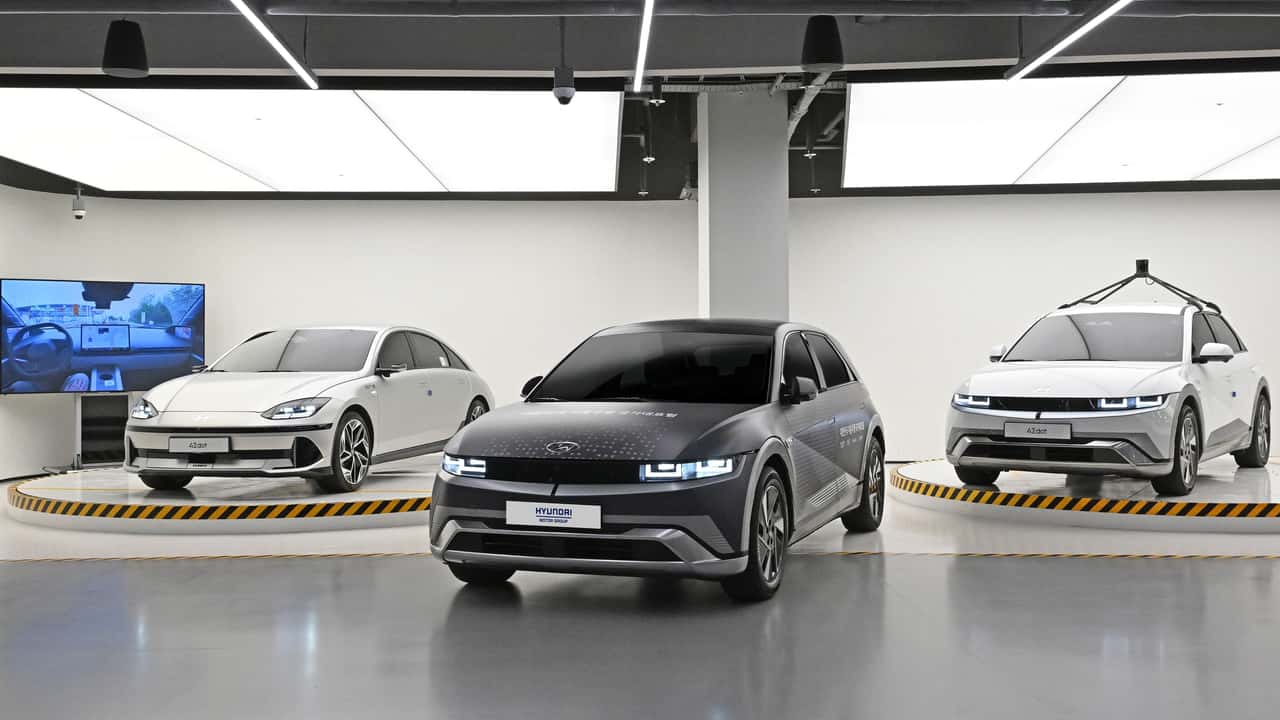
Hyundai has announced a significant delay for its proprietary advanced driver-assist system (ADAS), pushing its market introduction from an earlier unspecified date to 2029. The South Korean automaker stated that the decision was made to avoid releasing a "middling Level 2++" system, indicating a commitment to delivering a more robust and capable autonomous driving technology. This delay positions Hyundai's ADAS as a long-term competitor in the increasingly sophisticated automotive landscape, aiming to rival established systems like Tesla's Full Self-Driving (FSD).
The company's strategic postponement suggests a focus on achieving a higher level of autonomy and safety than currently available in many consumer vehicles. Level 2++ systems typically offer advanced features such as adaptive cruise control, lane centering, and automatic lane changes, but still require active driver supervision. By delaying, Hyundai appears to be aiming for a system that offers more hands-off capabilities, potentially approaching Level 3 or even Level 4 autonomy, where the vehicle can handle most driving tasks under specific conditions. This approach contrasts with a rapid rollout of less advanced features, prioritizing quality and performance over immediate market entry.
The automotive industry is witnessing a fierce race to develop and deploy advanced autonomous driving technologies. Companies like Tesla, Waymo, and Cruise have been investing heavily in AI and sensor technology to achieve higher levels of self-driving capability. Hyundai's decision to delay its system indicates that it is taking a measured approach, likely investing further in research and development to ensure its ADAS meets stringent safety standards and consumer expectations. The extended timeline allows for more comprehensive testing, refinement of algorithms, and integration with vehicle hardware, potentially leading to a more reliable and competitive product upon its eventual release.
While the delay to 2029 might seem substantial, it could ultimately prove beneficial for Hyundai. By waiting, the company can leverage advancements in AI, sensor technology, and computing power that are expected to emerge in the coming years. This could enable them to leapfrog current limitations and introduce a system that is not only competitive but potentially sets new benchmarks for ADAS performance and safety. The automotive market's demand for sophisticated driver-assist features continues to grow, and a well-executed, delayed launch may capture a larger market share and build greater consumer trust than an earlier, less refined offering.
Original source — read the full reporting at the publisher:
Read on InsideEVsGet the weekly AI digest
AI news + new model releases, weekly. Drafted by our agents, reviewed by humans.